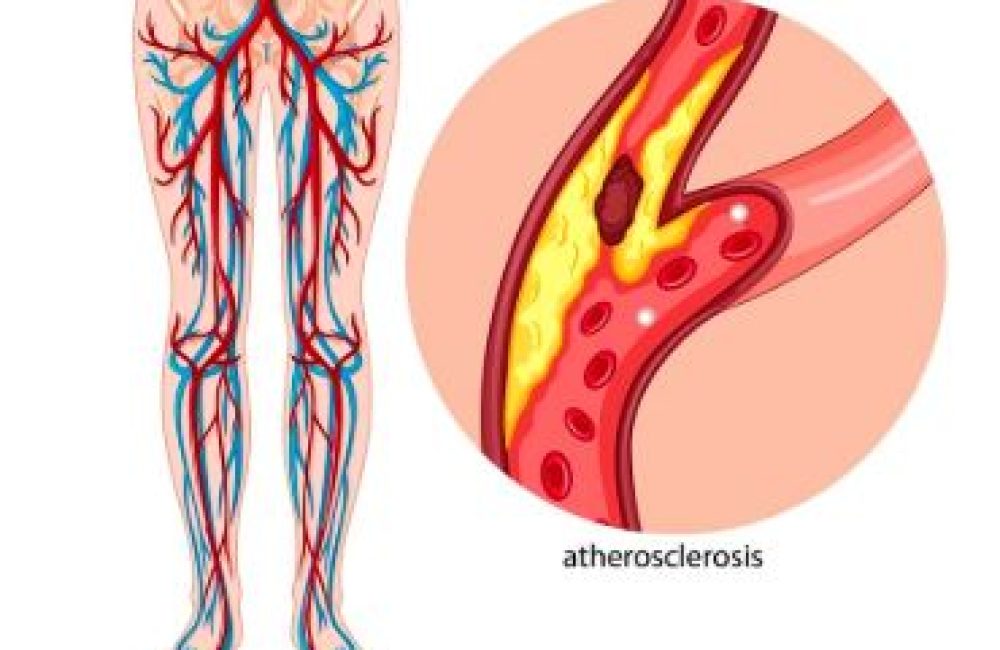
Arterial Bypass is a surgical procedure performed to restore blood flow when an artery has been severely injured or blocked. In the context of vascular trauma, where arteries may be damaged due to accidents, penetrating injuries, or fractures, bypass surgery becomes a life- and limb-saving intervention. By rerouting blood flow around the injured segment of an artery, surgeons can prevent tissue death, preserve limb function, and reduce the risk of amputation. Because vascular trauma often occurs suddenly and in otherwise healthy individuals, timely diagnosis and surgical repair are crucial for survival and recovery.
Arteries are blood vessels that carry oxygen-rich blood from the heart to all parts of the body. Each limb is supplied by major arteries:
Upper limb: subclavian, axillary, brachial, radial, and ulnar arteries.
Lower limb: iliac, femoral, popliteal, and tibial arteries.
Injury to these arteries can abruptly stop blood supply to downstream tissues. Unlike chronic arterial disease, where the body may form collateral circulation, trauma typically produces a sudden and complete blockage, leaving tissues vulnerable to ischemia (lack of oxygen). Without rapid intervention, muscle and nerve damage can become irreversible within hours.
Vascular trauma leading to arterial bypass may result from:
Penetrating trauma – stab wounds, gunshot injuries, or shrapnel causing arterial laceration.
Blunt trauma – high-impact accidents (car crashes, falls, sports injuries) leading to vessel rupture or intimal tears.
Fractures and dislocations – broken bones or joint injuries that directly damage nearby arteries, such as femoral artery injury in pelvic fractures.
Iatrogenic injuries – accidental damage during surgery or medical procedures (catheterization, orthopedic surgery).
Blast or crush injuries – severe trauma that compresses or disrupts blood vessels.
Risk factors include high-energy accidents, military combat, industrial injuries, and delay in reaching medical care.
The symptoms of arterial injury depend on the severity of damage and location. Classic features are often remembered as the “hard signs” and “soft signs” of vascular injury:
Hard signs (require immediate intervention):
Active or pulsatile bleeding
Expanding or pulsatile hematoma (blood collection under the skin)
Absent distal pulses
Audible bruit or thrill over the artery
Cold, pale, or pulseless limb
Soft signs (require further evaluation):
History of significant trauma near major vessels
Unexplained limb pain, weakness, or numbness
Small, non-expanding hematoma
Delayed capillary refill
Left untreated, these signs progress to ischemia, tissue necrosis, and limb loss.
Accurate and rapid diagnosis is critical. The evaluation includes:
Clinical examination – assessing pulses, skin temperature, sensation, motor function, and bleeding signs.
Handheld Doppler – detects blood flow when pulses are not palpable.
Ankle–brachial index (ABI) – comparing blood pressure in arms and legs; an index <0.9 suggests arterial injury.
CT Angiography (CTA) – the gold standard in stable patients; provides detailed imaging of arterial damage.
Conventional angiography – allows both diagnosis and possible endovascular treatment.
Ultrasound (Duplex scan) – useful in unstable patients or where CTA is not available.
In cases of obvious arterial injury (hard signs), surgical intervention is often performed immediately without delay for imaging.
Management depends on the nature and severity of the injury:
Non-surgical treatments:
Direct pressure and stabilization – initial step to control bleeding.
Resuscitation – fluid replacement and blood transfusion to treat shock.
Anticoagulation – may be considered in selected cases to prevent thrombosis, though often avoided in trauma due to bleeding risk.
Surgical treatments:
Primary repair – suturing a small arterial tear directly.
End-to-end anastomosis – rejoining cut ends of the artery after removing damaged segments.
Interposition grafting – using vein grafts or synthetic grafts to replace a damaged segment.
Arterial bypass – creating an alternate channel around the injured artery using autologous vein (often the saphenous vein) or synthetic graft material.
Bypass is typically chosen when direct repair is not possible due to the extent of arterial damage or tissue loss.
The surgical steps of bypass typically include:
Preparation and anesthesia – The patient is stabilized, and general or regional anesthesia is administered.
Exposure of the injured artery – The surgeon makes an incision to identify the damaged vessel and assess the extent of injury.
Control of bleeding – Proximal and distal control of the artery is achieved with clamps.
Graft selection – A vein graft (commonly the saphenous vein) or synthetic graft is prepared.
Bypass creation – The graft is connected to the healthy artery above and below the injured segment, rerouting blood flow.
Restoration of circulation – Clamps are released, and blood flow through the graft is confirmed by palpating pulses or using Doppler.
Closure and dressing – The incision is closed, and the wound is covered with sterile dressing.
This procedure restores perfusion to the limb and prevents tissue loss.
Recovery after arterial bypass for trauma requires intensive monitoring:
Intensive care observation for hemodynamic stability.
Anticoagulation or antiplatelet therapy to prevent graft thrombosis.
Wound care at both the bypass and graft harvest sites.
Monitoring for complications such as infection, graft occlusion, or compartment syndrome.
Physiotherapy and rehabilitation to restore mobility and strength, especially if limb ischemia was prolonged.
Lifestyle changes – smoking cessation, healthy diet, and blood pressure control to preserve vascular health.
Follow-up imaging (Doppler or CTA) to check graft function.
While often lifesaving, arterial bypass surgery carries potential risks:
Graft thrombosis – sudden closure of the bypass graft.
Infection – particularly with synthetic grafts.
Bleeding or hematoma – at the surgical site.
Compartment syndrome – swelling from reperfusion injury requiring fasciotomy.
Nerve injury – due to trauma or surgical exposure.
Amputation – if ischemia was prolonged or repair fails.
Mortality – in severe trauma cases with multiple injuries.
Seek immediate medical care if you experience:
Severe bleeding after trauma
Sudden coldness, paleness, or numbness in a limb
Loss of pulses in an arm or leg after injury
Rapidly expanding swelling or bruising near an injured area
Severe limb pain following trauma
These may be signs of vascular injury requiring urgent surgery.
Arterial bypass for vascular trauma is a critical surgical technique that saves lives and limbs by restoring blood flow after severe arterial injury. While non-surgical measures can stabilize patients temporarily, bypass surgery provides definitive repair when direct arterial reconstruction is not feasible. Early recognition, rapid diagnosis, and timely surgical intervention remain the cornerstones of good outcomes. Anyone with symptoms of vascular injury after trauma should seek emergency care immediately, as timely treatment can make the difference between recovery and permanent disability.

Aenean porta orci nam commodo felis hac ridiculus fusce fames maximus erat sed dictumst blandit arcu suspendisse sollicitudin luctus in nec