Renal Artery Stenting

Renal Artery Stenting

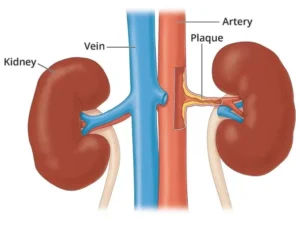
Renal artery stenting is a minimally invasive medical procedure used to treat narrowing (stenosis) of the renal arteries, which supply blood to the kidneys. This condition, known as renal artery stenosis (RAS), can lead to high blood pressure (hypertension) and kidney dysfunction. Renal artery stenting involves placing a small mesh tube (stent) inside the affected artery to restore adequate blood flow. This procedure is important because untreated renal artery stenosis can cause progressive kidney damage and uncontrolled hypertension, increasing the risk of cardiovascular events.

Anatomy / Background

The kidneys are vital organs responsible for filtering waste products from the blood, regulating fluid and electrolyte balance, and controlling blood pressure through hormone secretion. Each kidney receives blood through a renal artery branching off the abdominal aorta. These arteries are muscular vessels that can become narrowed due to atherosclerosis (plaque buildup) or other causes, reducing blood flow to the kidney.

Reduced blood flow triggers the kidney to release hormones such as renin, which activate the renin-angiotensin-aldosterone system (RAAS), leading to increased blood pressure. Persistent renal artery stenosis can cause ischemic nephropathy, a form of chronic kidney disease.

Causes / Etiology

The most common causes of renal artery stenosis include:

Risk factors for renal artery stenosis overlap with those for cardiovascular disease and include:

Symptoms / Clinical Presentation

Many patients with renal artery stenosis are asymptomatic initially. When symptoms occur, they may include:

  • Resistant hypertension: High blood pressure that is difficult to control despite multiple medications.
  • Sudden worsening of previously controlled hypertension.
  • Unexplained kidney dysfunction: Elevated serum creatinine or reduced glomerular filtration rate (GFR).
  • Flash pulmonary edema: Sudden fluid accumulation in the lungs due to heart failure triggered by renal artery stenosis.
  • Abdominal or flank bruits: Audible vascular sounds heard over the abdomen during physical examination.

Diagnosis

Diagnosing renal artery stenosis involves a combination of clinical evaluation and imaging studies:

  • Clinical examination: Assessment of blood pressure, kidney function tests, and auscultation for abdominal bruits.
  • Laboratory tests: Blood tests to evaluate kidney function (serum creatinine, blood urea nitrogen), electrolytes, and urine analysis.
  • Imaging studies:
    • Duplex Doppler Ultrasound: Non-invasive test that assesses blood flow velocity in the renal arteries.
    • Computed Tomography Angiography (CTA): Provides detailed images of the renal arteries using contrast dye.
    • Magnetic Resonance Angiography (MRA): Alternative imaging without ionizing radiation, useful in patients with contrast allergies.
    • Renal arteriography (angiography): The gold standard invasive test that visualizes the arteries directly and allows for simultaneous intervention.

Treatment Options

Treatment depends on the severity of stenosis, symptoms, and kidney function:

Non-Surgical Management

  • Medical management: Control of hypertension with antihypertensive medications (ACE inhibitors, ARBs, calcium channel blockers, diuretics).
  • Lifestyle modifications: Smoking cessation, diet changes, exercise, and management of diabetes and cholesterol.
  • Monitoring: Regular follow-up with blood pressure and kidney function tests.

Surgical / Procedural Treatments

  • Percutaneous Transluminal Renal Angioplasty (PTRA): Balloon dilation of the narrowed artery.
  • Renal artery stenting: Placement of a stent to keep the artery open, often performed in conjunction with angioplasty.
  • Surgical revascularization: Rarely performed; involves bypass grafting or endarterectomy in selected cases.

Renal artery stenting is preferred for patients with significant stenosis causing resistant hypertension or declining kidney function.

Procedure Details

Renal artery stenting is typically performed by an interventional radiologist or cardiologist under local anesthesia with sedation:

  1. Access: A catheter is inserted into the femoral artery in the groin or radial artery in the wrist.
  2. Navigation: Using fluoroscopic guidance, the catheter is advanced to the renal artery.
  3. Angiography: Contrast dye is injected to visualize the stenosis.
  4. Balloon angioplasty: A balloon catheter is inflated at the site of narrowing to dilate the artery.
  5. Stent placement: A metal mesh stent mounted on a balloon catheter is positioned and expanded to scaffold the artery open.
  6. Final angiography: Confirms improved blood flow.
  7. Catheter removal: The catheter is withdrawn, and pressure is applied to the access site to prevent bleeding.

The procedure usually takes 1-2 hours, and patients may be observed overnight.

Postoperative Care / Rehabilitation

  • Monitoring: Blood pressure, kidney function, and access site for bleeding or hematoma.
  • Medications: Antiplatelet therapy (e.g., aspirin) to prevent stent thrombosis.
  • Activity: Gradual return to normal activities; avoid strenuous exercise for a few days.
  • Follow-up: Regular imaging (ultrasound or CTA) to assess stent patency and kidney function tests.
  • Lifestyle: Continued management of cardiovascular risk factors.

Risks and Complications

While generally safe, renal artery stenting carries potential risks:

Prognosis

Renal artery stenting can significantly improve blood pressure control and stabilize or improve kidney function in appropriately selected patients. However, outcomes depend on the extent of kidney damage before treatment and the presence of other comorbidities. Long-term success requires ongoing management of cardiovascular risk factors.

When to See a Doctor

Seek medical attention if you experience:

  • High blood pressure that is difficult to control
  • Sudden worsening of kidney function
  • Symptoms of fluid overload such as swelling or shortness of breath
  • New abdominal or flank pain
  • Audible abdominal bruits during routine checkups

Early diagnosis and treatment can prevent complications and preserve kidney health.

Conclusion

Renal artery stenting is a valuable procedure for treating renal artery stenosis, a condition that can cause resistant hypertension and kidney damage. Understanding the anatomy, causes, symptoms, and treatment options helps patients make informed decisions. If you have risk factors or symptoms suggestive of renal artery stenosis, consult a healthcare professional for evaluation and appropriate management. Timely intervention can improve quality of life and reduce the risk of serious complications.

Explore more:

Welcome to
Dr Sahaja Vascular Surgeon

Aenean porta orci nam commodo felis hac ridiculus fusce fames maximus erat sed dictumst blandit arcu suspendisse sollicitudin luctus in nec


Make an Appointment.