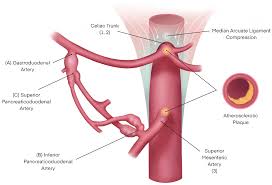
Visceral arterial lesions refer to abnormalities affecting the arteries that supply blood to the internal organs within the abdomen, such as the liver, kidneys, intestines, and spleen. These lesions can include aneurysms, stenosis (narrowing), dissections, or occlusions (blockages) of the visceral arteries. Although relatively rare compared to peripheral arterial disease, visceral arterial lesions are clinically significant because they can lead to life-threatening complications such as organ ischemia, infarction, or rupture.
Early recognition and appropriate management of visceral arterial lesions are crucial to prevent severe morbidity and mortality. This article provides a detailed, reader-friendly guide to understanding visceral arterial lesions, including their causes, symptoms, diagnosis, treatment options, and prognosis.
The visceral arteries primarily include the celiac artery, superior mesenteric artery (SMA), inferior mesenteric artery (IMA), renal arteries, and their branches. These arteries arise from the abdominal aorta and supply oxygenated blood to vital abdominal organs:
Understanding the anatomy of these arteries is essential because lesions in different vessels can produce distinct clinical syndromes depending on the organ affected.
Visceral arterial lesions can arise from various causes, including:
Risk factors include hypertension, smoking, diabetes, hyperlipidemia, and a family history of vascular disease.
Symptoms vary depending on the type and location of the lesion:
Because symptoms can be nonspecific, a high index of suspicion is necessary, especially in patients with risk factors.
Diagnosis involves a combination of clinical evaluation and imaging studies:
Treatment depends on the lesion type, size, symptoms, and patient condition.
Potential risks include:
With timely diagnosis and appropriate treatment, the prognosis for visceral arterial lesions is generally favorable. Endovascular techniques have improved outcomes and reduced complications. However, untreated lesions, especially aneurysms or occlusions, carry significant risk of morbidity and mortality.
Seek medical attention if you experience:
Early evaluation can prevent serious complications.
Visceral arterial lesions, though uncommon, pose significant health risks due to their potential to compromise blood flow to vital abdominal organs. Understanding the anatomy, causes, symptoms, and diagnostic approaches is essential for timely recognition. Advances in endovascular and surgical treatments have improved patient outcomes. If you experience symptoms suggestive of visceral arterial disease or have risk factors, consult a healthcare professional promptly for evaluation and management. Early intervention can save lives and preserve organ function.

Aenean porta orci nam commodo felis hac ridiculus fusce fames maximus erat sed dictumst blandit arcu suspendisse sollicitudin luctus in nec