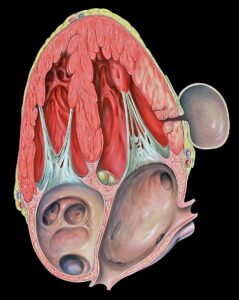
A pseudoaneurysm, also known as a false aneurysm, is a vascular condition characterized by a breach in the arterial wall leading to blood collection outside the vessel, contained by the surrounding tissues. Unlike a true aneurysm, which involves dilation of all three layers of the arterial wall, a pseudoaneurysm results from a disruption in the vessel wall integrity, causing blood to pool and form a pulsatile hematoma.
Pseudoaneurysms are clinically significant because they can lead to complications such as rupture, compression of adjacent structures, thrombosis, or distal embolization. Timely diagnosis and appropriate management, including pseudoaneurysm repair, are crucial to prevent morbidity and mortality. This article provides a detailed, reader-friendly guide on pseudoaneurysm repair, covering anatomy, causes, symptoms, diagnosis, treatment options, procedural details, postoperative care, risks, prognosis, and when to seek medical attention.
To understand pseudoaneurysms, it is essential to review the basic anatomy of arteries. Arteries consist of three layers:
A true aneurysm involves dilation of all three layers, whereas a pseudoaneurysm occurs when there is a disruption in the intima and media, allowing blood to escape into the surrounding tissue but contained by the adventitia or perivascular tissue. This creates a sac that communicates with the arterial lumen through a neck.
Common sites for pseudoaneurysms include arteries subjected to trauma or invasive procedures, such as the femoral artery (after catheterization), radial artery, and carotid artery.
Pseudoaneurysms can arise from various causes, including:
Patients with pseudoaneurysms may present with:
Diagnosis involves a combination of clinical examination and imaging studies:
Treatment depends on the size, location, symptoms, and risk of complications.
Open surgical repair typically involves the following steps:
Potential risks and complications include:
With timely and appropriate treatment, the prognosis for pseudoaneurysm repair is generally excellent. Minimally invasive techniques have improved outcomes and reduced recovery times. However, untreated pseudoaneurysms can lead to serious complications, including rupture and limb ischemia.
Seek medical attention if you experience:
Pseudoaneurysm repair is a critical intervention to manage a potentially life-threatening vascular condition. Understanding the anatomy, causes, symptoms, and treatment options empowers patients and caregivers to recognize the condition early and seek appropriate care. Advances in minimally invasive techniques have enhanced treatment efficacy and safety. If you suspect a pseudoaneurysm or have risk factors, consult a healthcare professional promptly for evaluation and management. Early diagnosis and treatment are key to preventing complications and ensuring optimal outcomes.

Aenean porta orci nam commodo felis hac ridiculus fusce fames maximus erat sed dictumst blandit arcu suspendisse sollicitudin luctus in nec