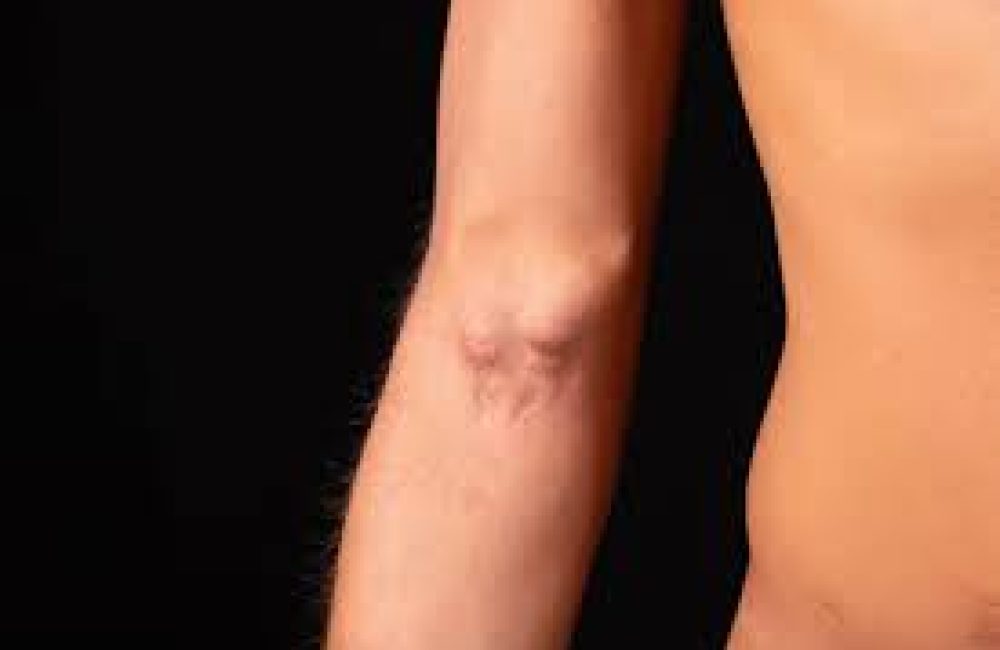
An Arteriovenous (AV) Fistula is an abnormal connection between an artery and a vein. Instead of blood flowing from arteries to capillaries and then to veins, it bypasses the capillary network and flows directly from the artery into the vein. AV fistulas can occur naturally, as a result of trauma or disease, or they can be created surgically for medical purposes, most commonly in patients undergoing long-term dialysis for kidney failure.
Understanding AV fistulas is important because they can affect blood circulation, cause complications if untreated, or serve as a life-saving vascular access for dialysis.
The circulatory system normally follows a predictable pattern:
Arteries carry oxygen-rich blood away from the heart.
Capillaries exchange oxygen and nutrients with tissues.
Veins return deoxygenated blood back to the heart.
In an AV fistula, blood bypasses the capillary bed, moving directly from artery to vein. This abnormal flow can:
Increase pressure in the vein, causing it to enlarge.
Reduce blood supply to nearby tissues.
Alter heart function due to increased workload.
In medical practice, surgically created AV fistulas (usually in the arm) provide reliable access for hemodialysis by allowing repeated needle insertions and high-volume blood flow.
AV fistulas may be congenital, acquired, or surgically created.
Congenital AV fistula – A rare condition present at birth due to abnormal vascular development.
Acquired AV fistula – Results from:
Trauma (stab wounds, gunshot injuries, fractures).
Surgical complications.
Infections or inflammatory conditions damaging vessels.
Aneurysm rupture into a vein.
Iatrogenic (medically created) AV fistula – Deliberately formed in patients requiring long-term dialysis for end-stage kidney disease.
Risk factors include:
Hypertension (high blood pressure).
Atherosclerosis (narrowed arteries).
Previous vascular surgery.
Invasive procedures involving blood vessels.
Symptoms depend on the size and location of the fistula:
Small AV fistulas: Often asymptomatic and detected incidentally.
Large AV fistulas: Can cause noticeable problems, including:
Swelling and visible bulging veins.
Warmth and redness over the site.
A continuous whooshing sound (bruit) or vibration (thrill) felt over the fistula.
Reduced blood flow to nearby tissues, causing pain, skin changes, or ulcers.
Fatigue or decreased exercise tolerance.
In severe cases, heart failure due to increased blood volume return.
Diagnosis begins with a clinical evaluation and is supported by imaging.
History and physical exam: Checking for swelling, bruit, or thrill.
Duplex ultrasound: First-line test to confirm abnormal blood flow between artery and vein.
CT angiography or MR angiography: Provides detailed images of vascular anatomy.
Conventional angiography: Both diagnostic and therapeutic, showing precise vessel connections.
Echocardiography: Used if heart failure is suspected due to large AV fistula.
Management depends on whether the AV fistula is natural, traumatic, or surgically created.
Observation: Small, asymptomatic fistulas may not require immediate treatment but should be monitored regularly.
Medical management: Treat underlying conditions like hypertension or heart failure.
Endovascular repair: Minimally invasive procedure using covered stents or coils to block the abnormal connection.
Surgical ligation: Open surgery to tie off or remove the fistula.
Surgical AV fistula creation (for dialysis patients): A vein (commonly in the forearm) is connected to an artery, usually under local anesthesia. This strengthens the vein for repeated dialysis access.
Preoperative assessment – Ultrasound mapping of arm vessels to select the best site.
Anesthesia – Usually local anesthesia with sedation.
Incision and vessel preparation – The chosen artery and vein are exposed.
Connection – The surgeon connects the vein to the artery, usually side-to-side or end-to-side.
Closure – Incision is sutured, and blood flow is checked for adequate thrill.
Maturation period – The vein gradually enlarges and strengthens over 6–12 weeks before it can be used for dialysis.
After AV fistula creation or repair:
Monitoring: Check for bruit and thrill daily.
Wound care: Keep incision site clean and dry.
Exercise: Handgrip exercises help strengthen and enlarge the vein.
Avoid pressure: No blood pressure checks, blood draws, or IV lines in the arm with fistula.
Follow-up imaging: Periodic ultrasounds to ensure proper maturation and function.
Dialysis readiness: The fistula can be used once it is mature enough to handle repeated needle access.
While generally safe, AV fistulas may have complications:
Infection at the surgical site.
Bleeding or hematoma formation.
Thrombosis (clotting of the fistula).
Steal syndrome – reduced blood supply to the hand, causing pain or numbness.
Aneurysm formation at the fistula site.
High-output heart failure in very large fistulas.
Failure of maturation, requiring revision or new fistula creation.
The outlook for AV fistulas varies by cause:
Traumatic or congenital AV fistulas: Prognosis is excellent after surgical or endovascular repair.
Dialysis AV fistulas: Considered the best long-term vascular access for hemodialysis due to durability and lower infection risk compared to catheters or grafts. With proper care, many fistulas last for years.
Prognosis worsens if complications like heart failure, infection, or thrombosis develop without timely treatment.
Seek medical attention if you notice:
Swelling, pain, or redness around the fistula site.
Sudden loss of thrill or bruit (may indicate clotting).
Coldness, numbness, or pain in the hand or limb.
Signs of infection (fever, pus, warmth).
Rapidly enlarging bulge or aneurysm.
Shortness of breath or symptoms of heart failure.
An AV Fistula is an important vascular condition that may occur naturally, result from trauma, or be surgically created for dialysis. While some small fistulas can be left untreated, others require surgical or interventional repair to prevent complications. Surgically created AV fistulas remain the gold standard for hemodialysis access, offering reliable, long-term performance when properly cared for. Early recognition of symptoms, regular follow-up, and adherence to care instructions are vital for ensuring the best outcomes. Anyone noticing changes at a fistula site should seek prompt medical advice.

Aenean porta orci nam commodo felis hac ridiculus fusce fames maximus erat sed dictumst blandit arcu suspendisse sollicitudin luctus in nec