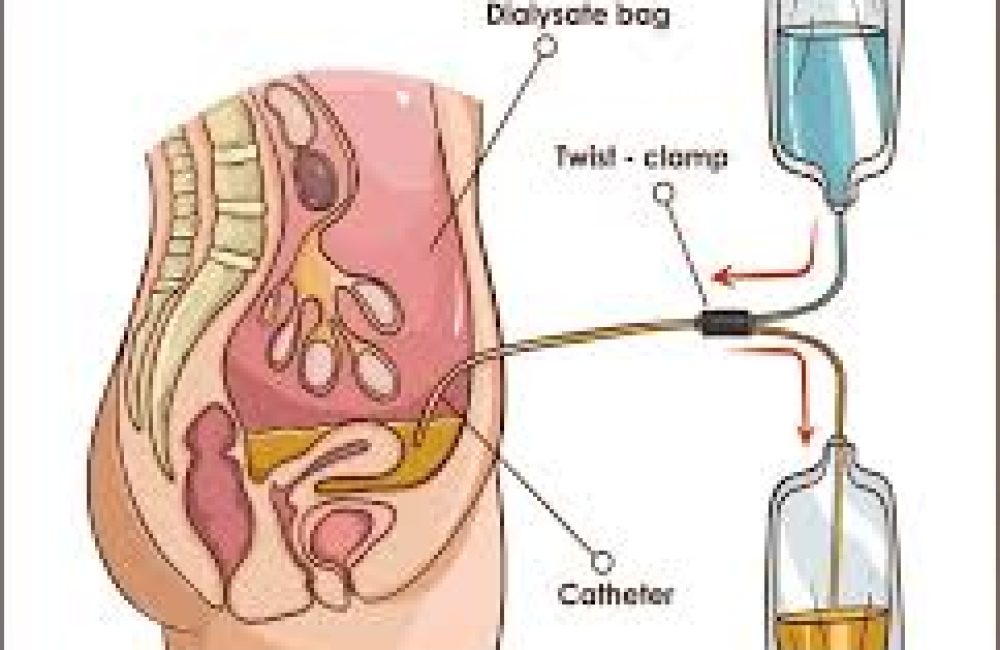
A Continuous Ambulatory Peritoneal Dialysis (CAPD) catheter is a specialized tube surgically placed into the abdominal cavity to allow dialysis fluid to enter and exit the peritoneal space. It serves as the essential access point for patients who choose peritoneal dialysis (PD) as an alternative to hemodialysis for managing end-stage renal disease (ESRD).
The CAPD catheter provides a safe, durable, and convenient way to perform dialysis at home, giving patients more flexibility in their daily lives compared to in-center hemodialysis. Proper placement, care, and monitoring of the catheter are critical for effective treatment and reducing complications.
The peritoneal cavity is lined by a thin membrane called the peritoneum, which has a rich supply of blood vessels. In peritoneal dialysis, this membrane acts as a natural filter. Dialysis solution introduced into the peritoneal cavity absorbs waste products and excess fluid from the blood, which are then drained out through the catheter.
A CAPD catheter is typically made of silicone and designed with one or two cuffs that anchor it in the abdominal wall and prevent infection from spreading along the tunnel. The catheter tip is positioned deep within the pelvis, while the external end exits through the abdominal wall, allowing patients to connect dialysis bags for exchanges.
A CAPD catheter is inserted when patients need long-term dialysis due to kidney failure. Indications include:
End-stage renal disease (ESRD): The most common cause, where kidneys can no longer adequately filter waste and fluid.
Ineligibility for hemodialysis: Patients with poor vascular access or heart conditions may benefit from peritoneal dialysis.
Patient preference: Some patients choose CAPD for lifestyle reasons, as it allows home-based treatment.
Bridge therapy: When waiting for a kidney transplant or as a temporary alternative to hemodialysis.
Risk factors leading to CAPD catheter use include diabetes, hypertension, chronic glomerulonephritis, and genetic or autoimmune kidney diseases.
Patients requiring a CAPD catheter present with signs and symptoms of advanced kidney failure, which may include:
Persistent fatigue and weakness
Swelling in the legs, ankles, or around the eyes (edema)
Shortness of breath due to fluid buildup
Loss of appetite, nausea, or vomiting
Confusion or difficulty concentrating (uremic symptoms)
Uncontrolled blood pressure
These symptoms highlight the need for renal replacement therapy, for which CAPD is a key option.
Before catheter placement, thorough assessment ensures patient suitability for CAPD:
Clinical evaluation: General health check, abdominal wall integrity, and ability to perform exchanges.
Blood tests: To evaluate kidney function, electrolyte balance, and overall fitness for surgery.
Imaging studies: Ultrasound or X-ray may be used to assess abdominal organs and detect hernias or adhesions.
Medical history: Including prior abdominal surgeries or infections that may affect catheter placement.
Hemodialysis: Alternative method using a vascular access (fistula, graft, or catheter).
Medical management: Temporary stabilization with medications, fluid restriction, or dietary adjustments.
Kidney transplant: The definitive treatment for ESRD, eliminating the need for dialysis.
CAPD catheter insertion: Primary method for initiating peritoneal dialysis.
Laparoscopic vs. open surgery: Both approaches are used; laparoscopic placement offers better visualization and lower complication rates in some patients.
CAPD catheter insertion is usually performed under local or general anesthesia. The steps include:
Preparation: The abdomen is cleaned and draped in sterile fashion.
Incision: A small incision is made in the lower abdomen.
Tunneling: The catheter is guided under the skin, creating a tunnel to reduce infection risk.
Placement: The catheter tip is positioned deep in the pelvic cavity.
Cuff positioning: One or two cuffs are placed within the tunnel to anchor the catheter and prevent bacteria from migrating.
Exterior exit site: The external end of the catheter emerges from the abdominal wall.
Testing: Saline or dialysis fluid is flushed in and out to confirm proper function.
The entire procedure usually takes 30–60 minutes and may be done as day surgery.
After insertion, careful management is essential to promote healing and prepare the catheter for use:
Healing period: Catheter is usually allowed to heal for 2–3 weeks before starting full dialysis.
Exit site care: Daily cleaning and dressing changes to prevent infection.
Training: Patients and caregivers are trained in performing exchanges, maintaining hygiene, and recognizing complications.
Gradual use: Low-volume dialysis may begin early in select cases if urgent dialysis is required.
Follow-up visits: Regular check-ups with the nephrology team to monitor catheter function and patient adaptation.
While generally safe, CAPD catheter insertion carries some risks:
Infection: Exit-site or tunnel infection, and peritonitis (infection within the peritoneum).
Catheter malfunction: Blockage or poor drainage due to fibrin, kinking, or migration.
Bleeding or hematoma: During or after insertion.
Hernias: Due to increased intra-abdominal pressure from dialysis fluid.
Leakage: Fluid leakage around the catheter in the early postoperative period.
Pain or discomfort: Temporary abdominal or incision pain.
With proper care, CAPD catheters function effectively for several years. Many patients enjoy the flexibility and independence that peritoneal dialysis provides, often leading to improved quality of life compared to hospital-based hemodialysis.
However, long-term outcomes depend on preventing infections, maintaining catheter patency, and adhering to dialysis schedules. With good technique and follow-up, CAPD can be a safe and effective renal replacement therapy.
Patients should seek medical attention if they notice:
Redness, swelling, or pus at the catheter exit site
Fever, chills, or abdominal pain (possible peritonitis)
Cloudy or bloody dialysis fluid
Difficulty draining or filling dialysis solution
Persistent leakage around the catheter
New bulges in the abdominal wall (possible hernia)
A CAPD catheter is the cornerstone of peritoneal dialysis, offering patients with kidney failure a reliable and home-based treatment option. Its design, proper placement, and diligent care ensure safe and effective dialysis. Although complications like infection or malfunction can occur, most can be prevented or managed with early intervention and strict hygiene.
For patients with end-stage renal disease, a CAPD catheter not only provides a lifeline but also empowers them to manage treatment more independently. Consultation with a nephrologist or vascular surgeon is essential to determine whether CAPD is the right option and to ensure successful long-term outcomes.


Aenean porta orci nam commodo felis hac ridiculus fusce fames maximus erat sed dictumst blandit arcu suspendisse sollicitudin luctus in nec