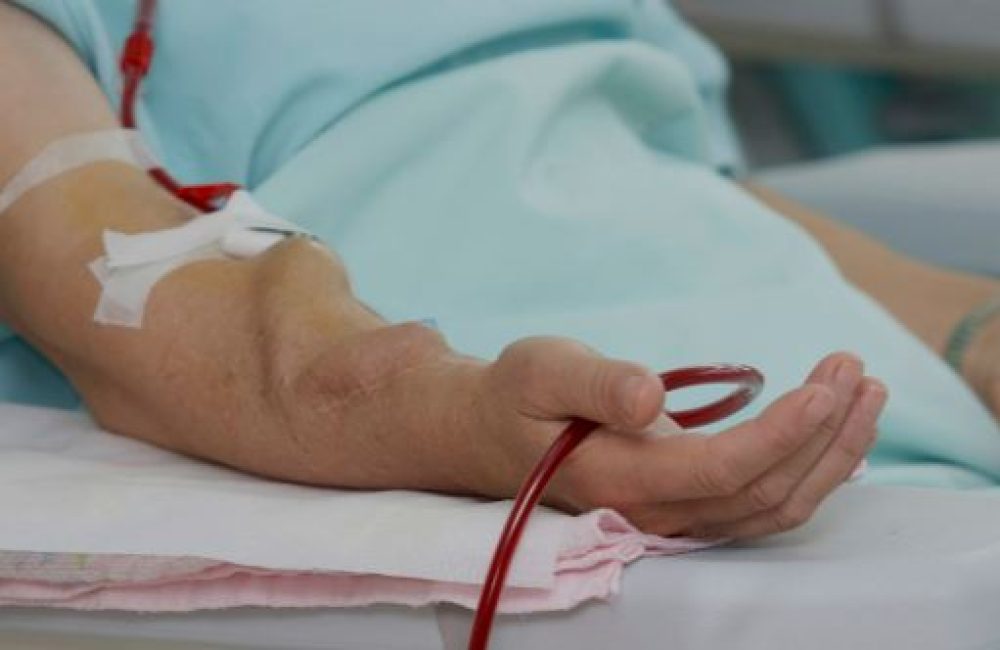
An Arteriovenous Graft (AV graft) is a surgically created connection between an artery and a vein using a synthetic tube or biologic material. It serves as a reliable access point for hemodialysis in patients with end-stage renal disease (ESRD). When natural veins are not suitable for creating an arteriovenous fistula (AVF), an AV graft becomes an important alternative. It allows repeated needle punctures and ensures efficient blood flow during dialysis sessions, ultimately supporting long-term treatment and improving patients’ quality of life.
For hemodialysis to be effective, a vascular access site must provide high blood flow and withstand repeated punctures. Normally, surgeons create an AVF by directly connecting a vein to an artery, which allows the vein to enlarge and strengthen over time. However, when a patient’s veins are too small, scarred, or otherwise unsuitable, a synthetic graft can be used to bridge an artery and a vein.
Common materials: Most AV grafts are made from polytetrafluoroethylene (PTFE), a biocompatible synthetic material.
Placement sites: AV grafts are usually positioned in the forearm, upper arm, or thigh.
Function: The graft provides a durable conduit for blood flow, making it easier for dialysis staff to insert needles for treatment.
AV graft placement is not due to a disease of the graft itself but rather the need for dialysis access in patients with kidney failure. Indications include:
End-stage renal disease (ESRD): The most common reason, as patients require long-term dialysis.
Inadequate veins for AVF: When native veins are too small, scarred, or damaged.
Failure of previous fistulas: Patients who had an AVF that did not mature or thrombosed.
Urgent need for dialysis access: A graft can be used sooner than a fistula, often within 2–3 weeks.
Risk factors that increase the likelihood of needing a graft include diabetes, advanced age, obesity, and multiple prior vascular procedures.
Patients do not typically present with symptoms of an AV graft problem before its creation. However, once placed, certain issues may develop:
Normal signs: A palpable vibration (thrill) or audible sound (bruit) indicating blood flow.
Concerning symptoms:
Swelling, redness, or pain around the graft site
Prolonged bleeding after dialysis
Absence of thrill or bruit, suggesting blockage
Coldness or numbness in the hand (possible “steal syndrome”)
Before AV graft surgery, thorough evaluation ensures proper selection and planning:
Clinical examination: Assessment of arm vessels, pulses, and previous access sites.
Ultrasound vein mapping: Measures vein diameter and patency.
Imaging studies: Occasionally venography or CT angiography for detailed vascular assessment.
Patient history: Including prior vascular access, clotting issues, and dialysis needs.
After placement, physical examination and ultrasound are used to monitor graft function and detect complications such as stenosis or thrombosis.
Non-surgical alternatives to grafts include:
Central venous catheter (CVC): Provides immediate dialysis access but carries high risks of infection and thrombosis.
Peritoneal dialysis: An alternative dialysis method for suitable patients, avoiding the need for vascular access.
Arteriovenous fistula (AVF): Preferred over AV graft if veins are suitable.
AV graft: Recommended when AVF is not possible.
Hybrid or biologic grafts: Sometimes used in complex cases.
AV graft creation is typically performed under regional or general anesthesia. The steps include:
Incision and exposure: The surgeon makes a small incision over the chosen site, exposing the target artery and vein.
Placement of graft: A synthetic tube (usually PTFE) is positioned under the skin, creating a loop or straight configuration.
Connection: One end of the graft is sewn to the artery, and the other end to the vein.
Flow check: Blood is allowed to flow through the graft, and its function is confirmed by palpating a thrill or listening for a bruit.
Closure: The incision is closed, and a dressing is applied.
The procedure generally takes 1–2 hours and may be done on an outpatient basis.
Recovery after AV graft surgery focuses on ensuring proper healing and graft function:
Wound care: Keep the site clean and dry, monitor for infection.
Monitoring blood flow: Regularly check for thrill or bruit.
Exercise: Gentle hand exercises may help improve blood circulation.
Follow-up visits: Scheduled to assess maturation and graft function.
Time to use: AV grafts can often be used for dialysis within 2–3 weeks, which is faster than most AVFs.
AV grafts are effective but have higher complication rates compared to fistulas. Common risks include:
Infection: Grafts are more prone to infection than native veins.
Thrombosis: Blood clots may block the graft.
Stenosis: Narrowing of the vein near the graft, leading to poor dialysis efficiency.
Steal syndrome: Reduced blood flow to the hand, causing pain, numbness, or coldness.
Pseudoaneurysm formation: Repeated needle punctures may weaken the graft wall.
Bleeding: Either during dialysis or at the surgical site.
The long-term success of an AV graft varies. While grafts generally do not last as long as fistulas, they provide a valuable option for patients without suitable veins. On average, AV grafts remain functional for 2–3 years, though this can be extended with good care and timely interventions to treat stenosis or thrombosis. Many patients undergo revisions or new graft placements over time.
Patients should seek prompt medical care if they experience:
Redness, swelling, or warmth over the graft site
Absence of thrill or bruit (suggesting blockage)
Severe pain, coldness, or discoloration of the hand
Uncontrolled bleeding after dialysis
Fever or general signs of infection
Early intervention often prevents serious complications and helps prolong graft life.
An arteriovenous graft is a vital vascular access option for patients needing long-term hemodialysis, particularly when veins are not suitable for fistula creation. Though AV grafts carry higher risks of infection and thrombosis compared to fistulas, they provide quicker usability and reliable blood flow for dialysis. With proper monitoring, timely treatment of complications, and consistent follow-up, patients can benefit from a well-functioning AV graft that supports their dialysis treatment and overall health.

Aenean porta orci nam commodo felis hac ridiculus fusce fames maximus erat sed dictumst blandit arcu suspendisse sollicitudin luctus in nec