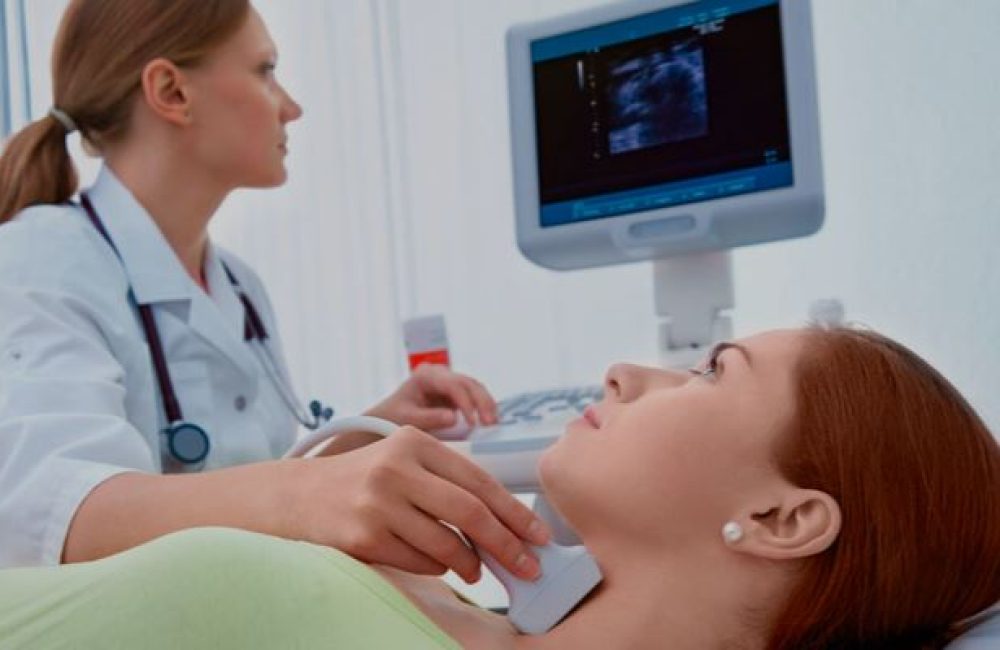
Vascular ultrasound is a non-invasive imaging test that uses high-frequency sound waves to evaluate blood vessels and blood flow in the body. It is one of the most widely used diagnostic tools in vascular medicine, offering real-time, safe, and painless assessment of arteries and veins.
This test plays a vital role in detecting conditions such as Peripheral Artery Disease (PAD), deep vein thrombosis (DVT), carotid artery disease, and other circulatory disorders. By providing information about blood flow, vessel blockages, and structural abnormalities, vascular ultrasound helps guide timely treatment, preventing serious complications like stroke, pulmonary embolism, or limb loss.
The human vascular system is made up of:
Arteries: Carry oxygen-rich blood from the heart to tissues.
Veins: Return oxygen-depleted blood back to the heart.
Capillaries: Tiny vessels where oxygen and nutrient exchange occurs.
Diseases affecting these vessels—such as narrowing, blockages, or clot formation—can reduce blood supply and compromise organ and limb function.
Vascular ultrasound uses Doppler technology to measure blood flow. The test can visualize:
Carotid arteries in the neck.
Abdominal aorta and its branches.
Peripheral arteries and veins in the arms and legs.
Venous systems for detecting blood clots or valve problems.
Vascular ultrasound is performed to detect underlying vascular diseases, which may be caused by:
Atherosclerosis: Plaque buildup leading to narrowed or blocked arteries.
Blood clots (thrombosis): May obstruct veins or arteries.
Aneurysms: Abnormal dilatation or bulging of arteries.
Venous insufficiency: Faulty valves in veins causing pooling of blood.
Trauma or injury: Damage to vessels resulting in abnormal flow.
Congenital abnormalities: Malformations of arteries or veins present at birth.
Risk factors: Diabetes, hypertension, smoking, high cholesterol, obesity, and advanced age increase the likelihood of vascular disease.
Patients may undergo vascular ultrasound if they present with signs or symptoms such as:
Leg pain or cramping with walking (intermittent claudication).
Rest pain in the feet or toes, suggesting severe arterial disease.
Swelling in the legs (possible DVT or venous insufficiency).
Non-healing wounds or ulcers on the lower limbs.
Coldness, discoloration, or numbness in extremities.
Neck bruit (whooshing sound in carotid arteries).
Sudden neurological symptoms (suggestive of carotid artery narrowing).
Pulsatile abdominal mass (may indicate an abdominal aortic aneurysm).
Vascular ultrasound is a frontline diagnostic tool because it is safe, painless, and widely available.
History taking: risk factors, symptoms, past medical conditions.
Physical examination: checking pulses, skin changes, limb temperature, and swelling.
Vascular Ultrasound (Doppler/Color Doppler):
Evaluates both structure (vessel walls, narrowing, aneurysms) and function (direction and speed of blood flow).
Complementary tests (if required):
ABI/TBI (Ankle-Brachial or Toe-Brachial Index).
CT angiography or MR angiography for detailed vascular mapping.
Conventional angiography if intervention is planned.
The vascular ultrasound itself is a diagnostic tool, but abnormal findings guide appropriate treatment for underlying conditions.
Lifestyle changes: Smoking cessation, weight management, healthy diet, regular exercise.
Medications:
Antiplatelet agents (aspirin, clopidogrel).
Cholesterol-lowering drugs (statins).
Blood pressure and diabetes control.
Blood thinners (anticoagulants) for clot prevention.
Endovascular procedures: Balloon angioplasty, stenting, thrombolysis.
Surgical procedures: Carotid endarterectomy, bypass grafting, aneurysm repair.
Venous procedures: Vein ablation, stripping, or sclerotherapy for chronic venous insufficiency.
Vascular ultrasound is simple and non-invasive.
Steps involved:
Patient lies comfortably on an examination table.
A water-based gel is applied to the skin over the area being examined.
A handheld device called a transducer is moved across the skin.
The transducer emits sound waves that bounce off blood vessels, creating images on a monitor.
Doppler ultrasound measures blood flow velocity and direction.
The test usually takes 30–60 minutes and requires no anesthesia or recovery time.
Since vascular ultrasound is not a surgical procedure, no recovery period is required. Patients can resume normal activities immediately.
If the test reveals disease requiring treatment, postoperative care may include:
Medication adherence for blood pressure, cholesterol, or clot prevention.
Lifestyle modifications to slow disease progression.
Follow-up ultrasounds to monitor treated vessels after stenting, bypass surgery, or aneurysm repair.
Vascular ultrasound is extremely safe and free of radiation. Rare issues include:
Mild discomfort from transducer pressure.
Gel residue on the skin (easily wiped off).
Limitations in very obese patients or in cases with heavy arterial calcification, which may obscure clear imaging.
The prognosis depends on the underlying vascular condition diagnosed.
Normal results: Suggest healthy circulation and low immediate risk.
Mild abnormalities: Often managed with medication and lifestyle changes.
Severe disease: May require surgical intervention, but outcomes improve with early detection and treatment.
Regular vascular ultrasound follow-ups can help prevent progression of disease and reduce the risk of complications such as stroke, heart attack, or limb loss.
You should seek medical advice and consider vascular ultrasound if you experience:
Persistent leg pain, cramping, or swelling.
Non-healing wounds on the legs or feet.
Cold, pale, or discolored extremities.
Sudden weakness, speech difficulties, or vision problems (possible carotid artery narrowing).
A pulsating lump in the abdomen.
You have multiple risk factors such as diabetes, smoking, hypertension, and high cholesterol.
Vascular ultrasound is a cornerstone of modern vascular diagnostics. It provides clear, real-time information about blood flow and vessel health, enabling early detection of potentially life-threatening conditions like PAD, DVT, aneurysms, and carotid artery disease.
Safe, painless, and widely available, this test empowers healthcare professionals to design tailored treatment strategies—ranging from lifestyle changes to surgical interventions—that protect both limb and life.
If you or a loved one has risk factors or symptoms of poor circulation, consult a healthcare professional about vascular ultrasound. Early diagnosis is the key to better outcomes.

Aenean porta orci nam commodo felis hac ridiculus fusce fames maximus erat sed dictumst blandit arcu suspendisse sollicitudin luctus in nec