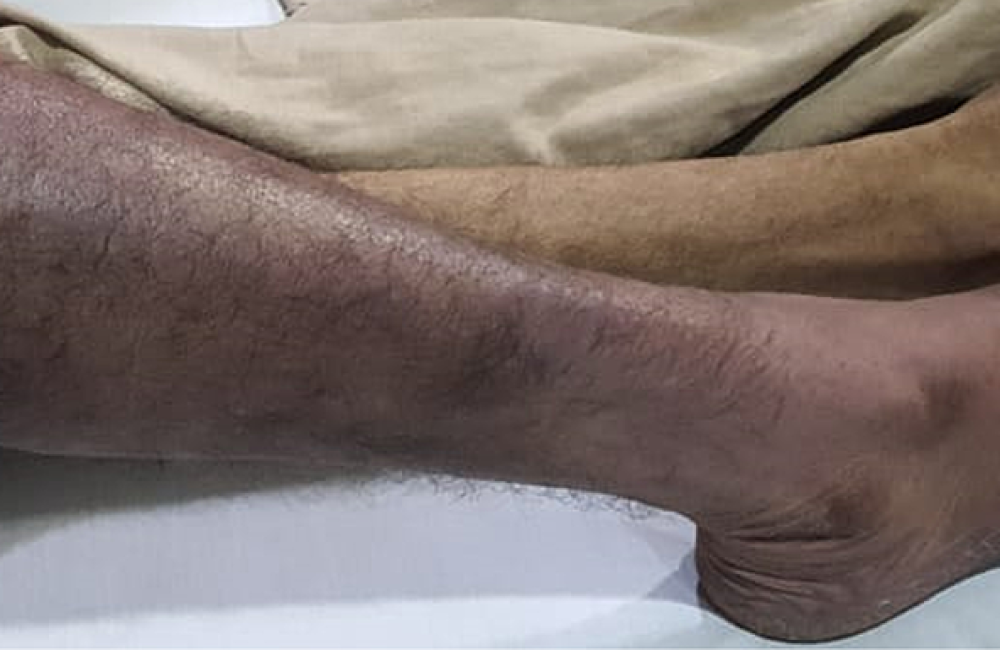
Varicose veins are enlarged, twisted veins that commonly appear on the legs and feet. They occur when the valves within the veins malfunction, causing blood to pool and veins to swell. This condition is not only a cosmetic concern but can also lead to discomfort, pain, and more serious health issues if left untreated. Understanding varicose veins and their treatment options is essential for maintaining vascular health and improving quality of life.
Veins are blood vessels responsible for returning deoxygenated blood from the body back to the heart. In the legs, veins work against gravity, aided by one-way valves that prevent blood from flowing backward. The two main types of veins involved in varicose veins are:
When the valves in the superficial veins fail, blood refluxes and pools, causing the veins to dilate and become varicose.
Several factors contribute to the development of varicose veins:
Patients with varicose veins may experience:
Treatment depends on severity and symptoms and includes both non-surgical and surgical approaches.
With appropriate treatment, most patients experience significant symptom relief and improved appearance. Recurrence is possible, especially if underlying risk factors persist. Early intervention improves outcomes and reduces complications.
Varicose veins are a common vascular condition that can cause discomfort and complications if untreated. Understanding the causes, symptoms, and treatment options empowers patients to seek timely care. Modern treatments, including minimally invasive procedures, offer effective relief with minimal downtime. If you suspect you have varicose veins or experience related symptoms, consult a healthcare professional for an accurate diagnosis and personalized treatment plan. Early intervention can improve your vascular health and quality of life.

Aenean porta orci nam commodo felis hac ridiculus fusce fames maximus erat sed dictumst blandit arcu suspendisse sollicitudin luctus in nec