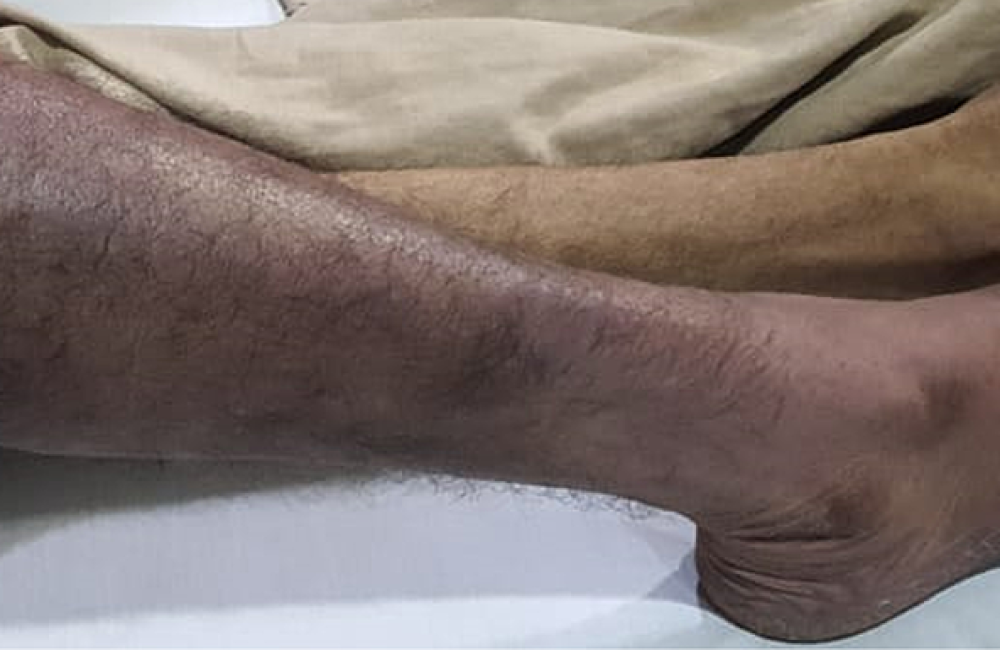
Radiofrequency Ablation (RFA) is a minimally invasive medical procedure that uses heat generated by radiofrequency energy to destroy abnormal tissue. It has become an important treatment option for various conditions, including chronic pain syndromes, cardiac arrhythmias, and certain tumors. The significance of RFA lies in its ability to provide targeted therapy with minimal damage to surrounding healthy tissues, often resulting in reduced recovery times and improved patient outcomes. This article provides a detailed exploration of RFA, covering its background, indications, procedure, and more.
Understanding RFA requires some knowledge of the anatomy and physiology related to the targeted tissues. RFA is commonly used in:
The procedure involves inserting a thin needle or probe into the target tissue under imaging guidance (e.g., ultrasound, CT scan, or fluoroscopy). Radiofrequency energy passes through the probe, generating heat that causes coagulative necrosis of the abnormal cells or nerve fibers.
RFA is not a disease but a treatment modality. However, it is used to address conditions caused by:
Symptoms depend on the underlying condition being treated with RFA:
Patients typically seek RFA when conservative treatments fail to provide adequate relief.
Treatment depends on the condition:
RFA is often considered when conservative treatments fail or surgery is contraindicated.
While RFA is generally safe, potential risks include:
The prognosis after RFA depends on the condition treated:
Long-term outcomes are favorable when patient selection and procedural technique are appropriate.
Radiofrequency Ablation is a versatile, minimally invasive procedure that offers effective treatment for a variety of conditions, including chronic pain, cardiac arrhythmias, and certain tumors. By precisely targeting abnormal tissues with heat, RFA can provide significant symptom relief with fewer risks and shorter recovery times compared to traditional surgery. Patients considering RFA should consult with qualified healthcare professionals to determine if this treatment is appropriate for their specific condition. With proper diagnosis, technique, and follow-up, RFA can be a valuable tool in modern medical care.


Aenean porta orci nam commodo felis hac ridiculus fusce fames maximus erat sed dictumst blandit arcu suspendisse sollicitudin luctus in nec