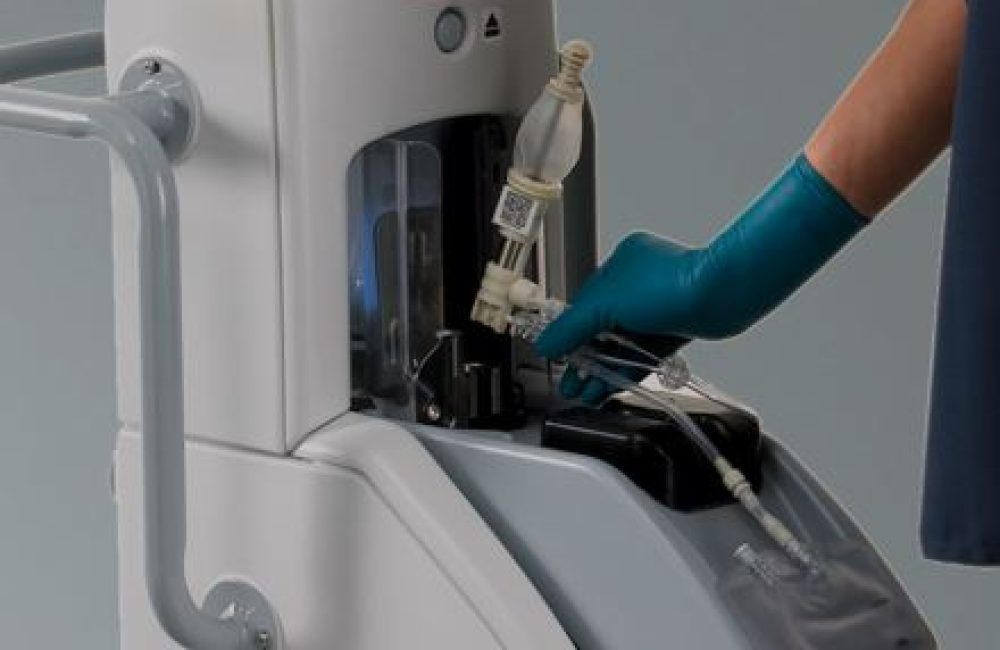
The AngioJet and Penumbra suction systems are advanced medical devices used for the treatment of blood clots (thrombosis) in blood vessels. These minimally invasive techniques help remove or break up clots that block blood flow in arteries and veins. They are especially useful in urgent cases such as deep vein thrombosis (DVT), pulmonary embolism (PE), or acute limb ischemia, where restoring circulation quickly is essential to save tissue and prevent complications.
Both systems are designed to reduce dependence on clot-dissolving drugs (thrombolytics), thereby lowering bleeding risks, while offering faster recovery compared to traditional surgery.
Blood vessels are the body’s highways of circulation, carrying oxygen and nutrients throughout. When a blood clot (thrombus) forms inside a vessel, it can partially or completely block blood flow.
In arteries, clots cut off oxygen supply, leading to acute limb ischemia, heart attack, or stroke.
In veins, clots cause deep vein thrombosis (DVT), which can travel to the lungs and cause a pulmonary embolism (PE).
Traditional treatments involve anticoagulant medications or open surgery. Devices like AngioJet and Penumbra offer a minimally invasive, catheter-based approach, directly targeting and removing clots inside the vessel.
Clots that require removal using AngioJet or Penumbra systems may develop due to:
Prolonged immobility (long flights, bed rest, paralysis).
Surgery or trauma (especially orthopedic or abdominal surgery).
Cancer and chemotherapy.
Pregnancy and postpartum period.
Inherited clotting disorders.
Obesity or sedentary lifestyle.
Smoking.
Heart conditions such as atrial fibrillation, which may cause arterial emboli.
The symptoms depend on where the clot is located:
Deep Vein Thrombosis (DVT):
Swelling, usually in one leg.
Pain or tenderness in the calf or thigh.
Warmth and redness of the skin.
Pulmonary Embolism (PE):
Sudden shortness of breath.
Chest pain, worse with breathing.
Rapid heartbeat.
Dizziness or fainting.
Acute Limb Ischemia (arterial blockage):
Sudden severe pain in the limb.
Pale, cold skin.
Numbness or weakness.
Absent pulses in the limb.
Prompt recognition and treatment are vital to prevent life-threatening complications.
A doctor may use several tools to confirm the presence and location of a clot:
Physical examination (leg swelling, absent pulses, skin discoloration).
Doppler ultrasound: Detects clots in veins or arteries.
CT or MR angiography: Visualizes blood flow in arteries and veins.
Venography: X-ray imaging with contrast dye to map vein blockages.
Blood tests (D-dimer): Suggest clot formation.
Once diagnosed, the treatment plan is tailored based on clot size, location, and patient condition.
Anticoagulants (blood thinners): Prevent new clots from forming but do not dissolve existing clots.
Thrombolytics (clot-busting drugs): Used in severe cases, but carry risk of major bleeding.
Compression therapy: Reduces symptoms in venous clots.
Catheter-directed thrombolysis: A catheter delivers clot-dissolving drugs directly into the clot.
Mechanical thrombectomy systems (AngioJet / Penumbra): Remove clots physically, with or without thrombolytic drugs.
Open surgical embolectomy or bypass: Reserved for severe or emergency cases.
Both systems are minimally invasive and performed by interventional radiologists or vascular surgeons.
Uses high-pressure saline jets to break clots into smaller pieces.
The system creates a vacuum effect, simultaneously aspirating clot fragments out of the vessel.
Particularly useful for large, fresh clots in major vessels.
Uses a powerful suction catheter with a continuous vacuum pump.
The device gently sucks out clots without breaking them into fragments.
Often chosen for softer clots or when preserving vessel integrity is critical.
Procedure Steps (generalized):
Patient is sedated; local anesthesia is applied.
A small incision is made, usually in the groin or arm vein.
A catheter is guided to the clot under X-ray imaging.
The AngioJet or Penumbra device is activated to remove the clot.
Blood flow is restored, and catheters are removed.
A bandage is applied at the access site.
The procedure usually takes 1–2 hours, depending on clot size and location.
Hospital stay: Often 1–2 days for observation.
Medications: Blood thinners are continued to prevent new clots.
Activity: Patients are encouraged to walk early to improve circulation.
Follow-up imaging: Ultrasound or CT scans may be done to confirm restored blood flow.
Lifestyle adjustments: Smoking cessation, weight management, and exercise reduce recurrence risk.
Though safer than open surgery, these procedures carry some risks:
Minor bleeding or bruising at the catheter site.
Vessel injury or dissection.
Temporary hematuria (blood in urine), especially with AngioJet.
Incomplete clot removal requiring repeat procedure.
Rare risk of fragments breaking off and traveling further (minimized with careful technique).
The outlook is generally very positive:
High success rate in restoring blood flow.
Quick recovery compared to open surgery.
Reduced risk of post-thrombotic syndrome in DVT patients.
Long-term success depends on continued anticoagulation and lifestyle changes.
Seek medical care immediately if you experience:
Sudden swelling, pain, or discoloration in the leg or arm.
Chest pain, rapid breathing, or shortness of breath.
Sudden loss of strength, numbness, or coldness in a limb.
Persistent bleeding or signs of infection after the procedure.
The AngioJet and Penumbra suction systems represent significant advancements in the treatment of blood clots, offering a minimally invasive, effective, and safe alternative to traditional surgery. These systems restore circulation rapidly, reduce complications, and improve patient outcomes.
Patients at risk of or experiencing symptoms of DVT, PE, or acute limb ischemia should seek prompt medical evaluation. Early diagnosis and treatment not only save lives but also preserve long-term quality of life.

Aenean porta orci nam commodo felis hac ridiculus fusce fames maximus erat sed dictumst blandit arcu suspendisse sollicitudin luctus in nec