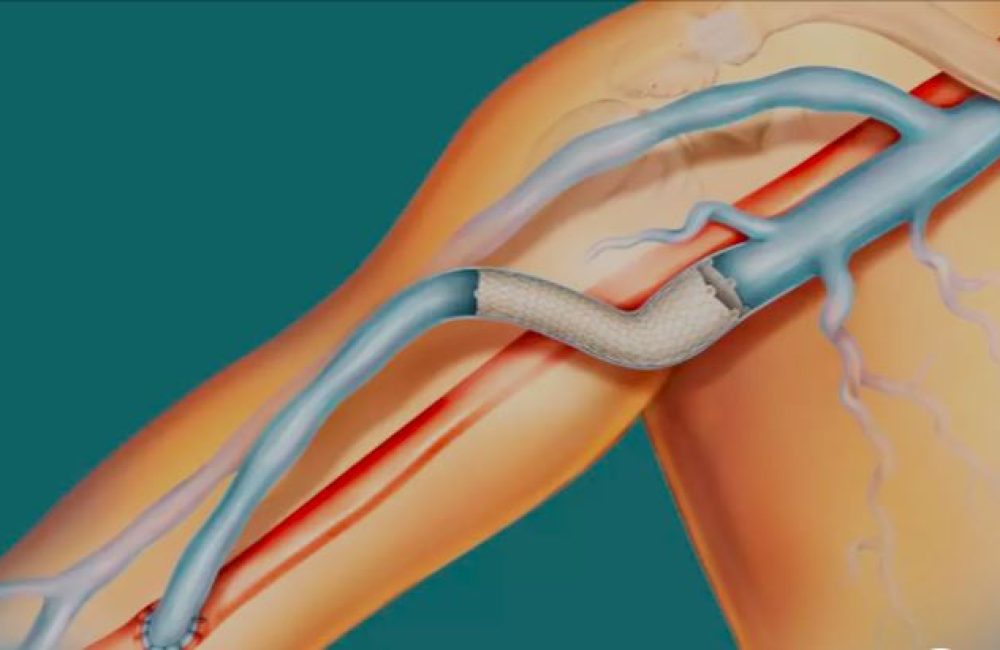
Innominate Vein Stenting is a minimally invasive procedure used to treat narrowing or blockage of the innominate vein, a major blood vessel in the upper chest. This vein plays a crucial role in returning blood from the head, neck, and upper limbs to the heart. When obstructed, it can cause significant swelling, discomfort, and impaired circulation.
Placing a stent—a small, expandable metal mesh tube—inside the vein helps restore normal blood flow, relieve symptoms, and improve quality of life. This procedure is particularly valuable in patients with benign vein narrowing, catheter-related obstruction, or malignant compression from tumors.
The innominate veins (right and left) are large veins formed by the union of the internal jugular vein and subclavian vein on each side. These two veins join together behind the sternum to form the superior vena cava (SVC), which carries blood back to the right atrium of the heart.
Because of its central location in the chest, the innominate vein can be compressed or obstructed by tumors, enlarged lymph nodes, catheters, or scarring from previous interventions. Blockage in this vessel disrupts venous return from the head, neck, and arms, leading to distressing symptoms.
Obstruction of the innominate vein can occur due to various reasons:
External compression
Tumors in the chest (e.g., lung cancer, lymphoma, thyroid tumors).
Enlarged lymph nodes (mediastinal adenopathy).
Enlarged arteries or abnormal bone structures.
Internal blockage
Thrombosis (clot formation), often linked to long-term central venous catheters, pacemaker leads, or dialysis lines.
Scarring (stenosis) from previous catheter use or radiation therapy.
Blood clotting disorders.
Benign narrowing
Chronic inflammatory changes or fibrosis.
Patients with innominate vein obstruction may present with:
Swelling of the face, neck, and upper limbs.
Prominent chest wall or neck veins (collateral circulation).
Heaviness or discomfort in the arms.
Headache, dizziness, or a feeling of fullness in the head, especially when bending forward.
Difficulty breathing or swallowing in severe cases.
Cyanosis (bluish discoloration) of the lips or face.
In many cases, symptoms overlap with superior vena cava syndrome (SVCS) since the innominate vein is a direct tributary of the SVC.
Accurate diagnosis is key before stenting is considered. Common methods include:
Clinical evaluation: Physical examination to detect swelling, engorged veins, and circulation changes.
Ultrasound (Doppler): Non-invasive, useful for detecting flow disturbances.
CT venography or MR venography: Provides detailed images of the venous anatomy, obstruction site, and any surrounding masses.
Catheter venography: Gold standard for diagnosis, performed during the procedure to map the blockage and guide stent placement.
Anticoagulation (blood thinners): Used if clot formation is present.
Thrombolysis (clot-dissolving drugs): May be considered in fresh thrombus cases.
Supportive care: Head elevation, oxygen therapy, and diuretics may temporarily relieve swelling.
However, medical therapy alone is often insufficient for significant or chronic obstructions.
Endovascular stenting: Preferred treatment, minimally invasive, restores blood flow effectively.
Balloon angioplasty: Often performed prior to stent placement to dilate the narrowed area.
Bypass surgery: Reserved for rare cases where stenting is not possible or fails.
The procedure is usually performed by an interventional radiologist or vascular surgeon under local anesthesia with sedation.
Steps include:
Venous access: A catheter is inserted through a vein in the groin (femoral vein) or arm (brachial/axillary vein).
Venography: Contrast dye is injected to visualize the vein and confirm obstruction.
Balloon angioplasty: The narrowed area is dilated with a balloon.
Stent placement: A self-expanding or balloon-expandable stent is deployed across the obstruction.
Post-deployment imaging: Another venogram is performed to confirm good blood flow and proper stent position.
Completion: The catheter is removed, and pressure or a closure device is applied at the access site.
The procedure typically takes 1–2 hours, and most patients are discharged the same or next day.
Hospital stay: Usually short, often outpatient or 24-hour observation.
Medications: Patients are prescribed anticoagulants or antiplatelet therapy to prevent stent-related thrombosis.
Activity: Light activity can be resumed within a day; strenuous activities are avoided for a week.
Follow-up imaging: Regular ultrasound or CT scans ensure the stent remains open and functional.
Lifestyle measures: Smoking cessation, hydration, and managing clotting risk factors help long-term success.
While generally safe, potential risks include:
Bleeding or hematoma at the puncture site.
Vessel injury or perforation.
Stent misplacement or migration.
Re-thrombosis or restenosis (narrowing inside the stent).
Allergic reaction to contrast dye.
Rare infection.
The outlook for patients after innominate vein stenting is generally excellent:
Immediate relief of swelling and discomfort in most cases.
High long-term patency rates, especially with regular follow-up and medication adherence.
Improved quality of life, with reduced symptoms and better functional capacity.
Recurrence of symptoms is uncommon but may require repeat intervention.
Seek medical attention if you experience:
Sudden swelling of the face, neck, or upper limbs.
Unexplained shortness of breath or chest discomfort.
Visible, dilated veins across the chest or neck.
Neurological symptoms such as dizziness, confusion, or headache.
Recurrence of symptoms after stent placement.
Innominate vein stenting is a safe and effective procedure for treating obstruction of one of the body’s most vital veins. It offers rapid symptom relief, restores circulation, and prevents complications such as superior vena cava syndrome.
Patients experiencing swelling, breathing difficulty, or unexplained vein enlargement in the upper body should seek timely medical evaluation. With advances in endovascular therapy, minimally invasive procedures like stenting provide excellent outcomes and greatly improve quality of life.

Aenean porta orci nam commodo felis hac ridiculus fusce fames maximus erat sed dictumst blandit arcu suspendisse sollicitudin luctus in nec