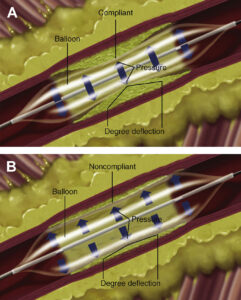
Venoplasty is a minimally invasive medical procedure designed to open narrowed or blocked veins, restoring proper blood flow and alleviating symptoms associated with venous obstruction. This technique is particularly important in managing conditions such as chronic venous insufficiency, deep vein thrombosis (DVT), and venous stenosis, which can lead to pain, swelling, and even serious complications like venous ulcers or pulmonary embolism. By improving venous circulation, venoplasty enhances patient quality of life and reduces the risk of long-term vascular damage.
To understand venoplasty, it is essential to grasp the basic anatomy and physiology of the venous system. Veins are blood vessels responsible for returning deoxygenated blood from the body back to the heart. They contain valves that prevent blood from flowing backward, ensuring unidirectional flow. Major veins, such as the iliac, femoral, and jugular veins, can become narrowed or blocked due to various causes, impeding blood return and causing venous hypertension.
Venous obstruction increases pressure within the veins, leading to symptoms like swelling, pain, and skin changes. In some cases, collateral veins develop to bypass the blockage, but these are often insufficient to fully compensate for impaired flow.
Several factors can contribute to venous narrowing or blockage, including:
Patients with venous obstruction may experience:
Treatment depends on the severity and cause of venous obstruction:
While venoplasty is generally safe, potential risks include:
Venoplasty offers significant symptomatic relief and improved venous function in most patients. Long-term outcomes depend on underlying conditions and adherence to post-procedure care. Many patients experience reduced swelling, pain, and improved mobility. However, some may require repeat interventions due to restenosis.
Venoplasty is a valuable, minimally invasive procedure that restores venous blood flow by dilating narrowed or blocked veins. Understanding the anatomy, causes, symptoms, and treatment options empowers patients to seek timely care. With appropriate diagnosis, treatment, and follow-up, venoplasty can significantly improve quality of life and reduce the risk of serious venous complications. If you experience symptoms of venous obstruction, consult a healthcare professional to explore the best management strategy tailored to your needs.

Aenean porta orci nam commodo felis hac ridiculus fusce fames maximus erat sed dictumst blandit arcu suspendisse sollicitudin luctus in nec