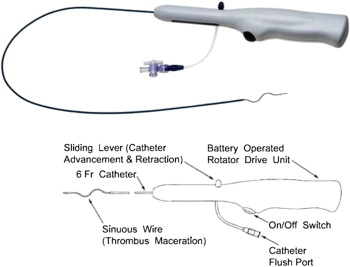
Pharmaco-mechanical thrombolysis (PMT) is an advanced medical procedure used to treat blood clots (thrombi) that obstruct blood vessels, particularly in cases of deep vein thrombosis (DVT) and certain arterial occlusions. This technique combines pharmacological thrombolysis—using clot-dissolving drugs—with mechanical methods to physically break up and remove clots. PMT is important because it offers a minimally invasive alternative to traditional surgery, potentially reducing complications, improving blood flow restoration, and decreasing the risk of long-term sequelae such as post-thrombotic syndrome.
Understanding PMT requires familiarity with the vascular system, especially veins and arteries where thrombi commonly form. Veins return deoxygenated blood to the heart, and deep veins in the legs are frequent sites of clot formation. When a thrombus forms, it can partially or completely block blood flow, leading to swelling, pain, and tissue damage. In arteries, clots can cause ischemia by blocking oxygen-rich blood supply. The venous system includes valves that prevent backflow; damage or obstruction here can exacerbate clot-related complications.
Blood clots form due to a combination of factors described by Virchow’s triad:
Patients with thrombotic occlusions typically present with:
Treatment aims to restore blood flow, prevent clot extension, and reduce complications.
Pharmaco-mechanical thrombolysis is typically performed in an interventional radiology suite or catheterization lab:
The procedure duration varies but generally lasts 1–3 hours.
While PMT is less invasive than surgery, potential risks include:
When performed timely and appropriately, PMT can significantly improve outcomes by rapidly restoring blood flow and reducing long-term complications such as chronic venous insufficiency and limb ischemia. Most patients experience symptom relief and improved quality of life. However, prognosis depends on clot size, location, patient comorbidities, and adherence to follow-up care.
Pharmaco-mechanical thrombolysis represents a cutting-edge approach to managing thrombotic vascular occlusions by combining drug therapy with mechanical clot removal. It offers a minimally invasive option that can rapidly restore blood flow, reduce symptoms, and improve patient outcomes. Understanding the causes, symptoms, and treatment options for thrombotic conditions is essential for timely intervention. If you suspect a blood clot or have risk factors, consult a healthcare professional promptly to explore appropriate diagnostic and therapeutic strategies.

Aenean porta orci nam commodo felis hac ridiculus fusce fames maximus erat sed dictumst blandit arcu suspendisse sollicitudin luctus in nec