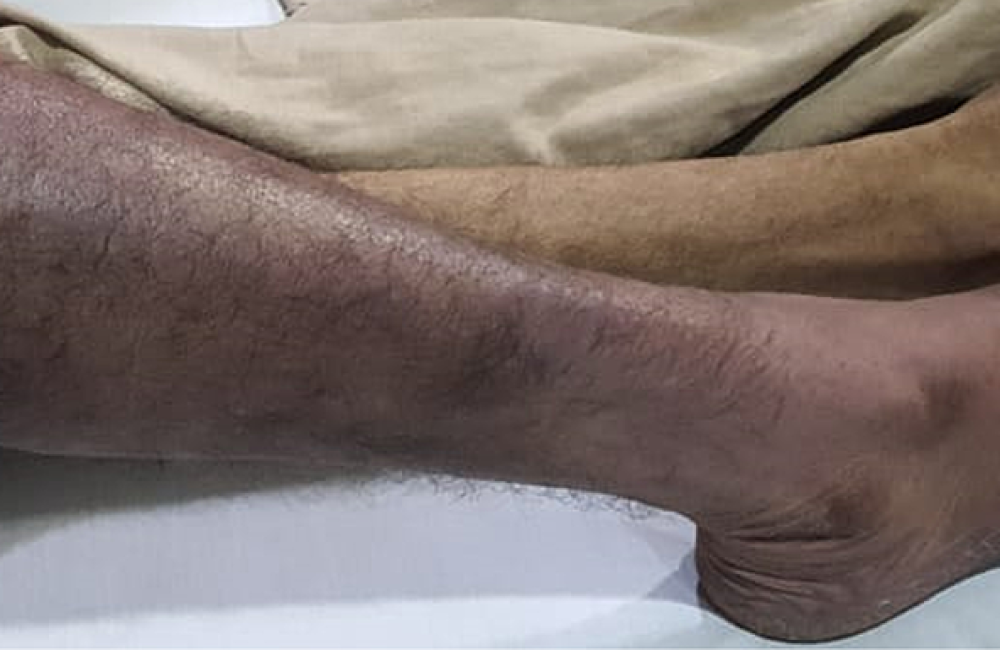
Mechanical thrombectomy is a minimally invasive, catheter-based procedure used to remove blood clots (thrombi) from blood vessels, primarily in the brain, to restore blood flow. It has revolutionized the treatment of acute ischemic stroke caused by large vessel occlusion, significantly improving patient outcomes when performed promptly. Given that stroke is a leading cause of disability and death worldwide, mechanical thrombectomy represents a critical advancement in emergency neurovascular care.
Understanding mechanical thrombectomy requires familiarity with the vascular anatomy of the brain. The brain receives blood through the carotid and vertebral arteries, which branch into smaller vessels forming the Circle of Willis. Large vessel occlusions typically occur in major arteries such as the internal carotid artery, middle cerebral artery, or basilar artery. When a clot blocks these vessels, it deprives brain tissue of oxygen and nutrients, leading to ischemia and potential infarction.
The procedure involves navigating catheters through the arterial system, usually starting from the femoral artery in the groin, advancing through the aorta and carotid arteries to reach the site of occlusion in the brain.
Mechanical thrombectomy is primarily indicated for ischemic strokes caused by large vessel occlusion. Common causes and risk factors include:
Patients with large vessel occlusion strokes typically present with sudden onset of neurological deficits, including:
After thrombectomy, patients are monitored in an intensive care or stroke unit. Postoperative care includes:
Varicose veins are a common vascular condition that can cause discomfort and complications if untreated. Understanding the causes, symptoms, and treatment options empowers patients to seek timely care. Modern treatments, including minimally invasive procedures, offer effective relief with minimal downtime. If you suspect you have varicose veins or experience related symptoms, consult a healthcare professional for an accurate diagnosis and personalized treatment plan. Early intervention can improve your vascular health and quality of life.
Mechanical thrombectomy significantly improves functional outcomes and reduces disability when performed promptly in eligible patients. Studies show that many patients regain independence or experience substantial neurological improvement. However, prognosis depends on factors such as:
Early intervention is critical to maximize benefits.
Mechanical thrombectomy is a groundbreaking procedure that offers hope for patients suffering from acute ischemic stroke due to large vessel occlusion. By rapidly restoring blood flow, it reduces brain damage and improves recovery chances. Understanding the signs of stroke, seeking immediate care, and advances in neurointerventional techniques have transformed stroke management. If you or a loved one experiences stroke symptoms, urgent consultation with healthcare professionals is vital to access potentially life-saving treatments like mechanical thrombectomy.

Aenean porta orci nam commodo felis hac ridiculus fusce fames maximus erat sed dictumst blandit arcu suspendisse sollicitudin luctus in nec