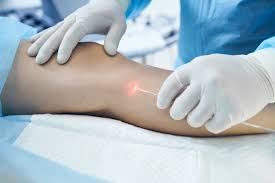
Endovenous Laser Therapy (EVLT) is a minimally invasive medical procedure used to treat varicose veins, a common venous disorder affecting millions worldwide. Varicose veins occur when veins become enlarged, twisted, and dysfunctional, often causing discomfort, pain, and cosmetic concerns. EVLT offers an effective alternative to traditional surgical vein stripping by using laser energy to close off damaged veins, thereby improving blood flow and alleviating symptoms. This therapy is important because it provides patients with a less invasive, safer, and quicker recovery option, significantly enhancing quality of life.
To understand EVLT, it is essential to grasp the basic anatomy and physiology of the venous system in the legs. Veins are blood vessels responsible for returning deoxygenated blood from the body back to the heart. In the legs, the superficial venous system includes the great saphenous vein (GSV) and small saphenous vein (SSV), which lie close to the skin surface. These veins contain one-way valves that prevent blood from flowing backward.
Varicose veins develop when these valves become incompetent, leading to venous reflux — the backward flow of blood. This causes blood to pool, increasing venous pressure and resulting in vein dilation and tortuosity. The deep venous system lies beneath the muscles and is usually unaffected by varicosities but can be involved in more severe cases.
Several factors contribute to the development of varicose veins and the need for treatments like EVLT:
Patients with varicose veins typically present with:
Diagnosis of varicose veins and suitability for EVLT involves:
The procedure typically lasts 30 to 60 minutes.
EVLT has a high success rate, with vein closure rates exceeding 90% at one year. Most patients experience significant symptom relief and cosmetic improvement. Long-term outcomes are favorable, especially when combined with lifestyle changes and compression therapy. Recurrence can occur but is less common than with traditional surgery.
Seek medical advice if you experience:
Early consultation allows timely diagnosis and treatment, preventing complications.
Endovenous Laser Therapy (EVLT) represents a modern, minimally invasive approach to treating varicose veins, offering effective symptom relief and improved quality of life. Understanding the anatomy, causes, symptoms, and treatment options empowers patients to make informed decisions. If you experience signs of venous insufficiency, consult a healthcare professional to explore whether EVLT or other treatments are appropriate for you. Early intervention can prevent progression and enhance long-term outcomes.

Aenean porta orci nam commodo felis hac ridiculus fusce fames maximus erat sed dictumst blandit arcu suspendisse sollicitudin luctus in nec