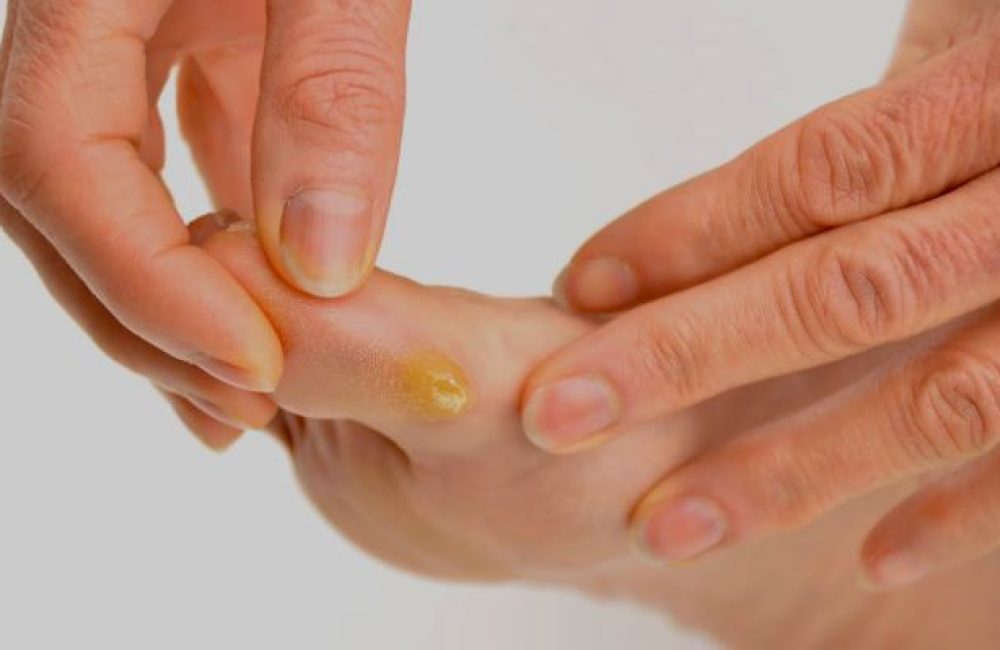
A callus is a thickened and hardened area of skin that develops as a natural defense mechanism against repeated friction, pressure, or irritation. While calluses are usually harmless, they can sometimes become painful, unsightly, or interfere with daily activities. Callus removal is a process aimed at reducing or eliminating this hardened skin to restore comfort and prevent complications. Proper management is especially important for individuals with underlying health conditions, such as diabetes, where even minor foot problems can lead to serious outcomes.
The skin is the body’s largest organ and serves as a protective barrier. Its outer layer, the epidermis, is made of keratinized cells that constantly regenerate. When certain areas of the skin are exposed to excessive pressure or friction, the body responds by producing extra keratin, leading to localized thickening.
Callus: A broad, diffuse area of hardened skin, often on the soles of the feet or palms of the hands.
Corns: A more focused type of callus with a hard central core, usually on toes.
Although calluses form as a protective adaptation, if left untreated, they may crack, cause pain, or create an entry point for infection.
Common causes and risk factors for callus formation include:
Repeated friction or pressure – from ill-fitting shoes, prolonged walking, or manual labor.
Foot deformities – bunions, hammertoes, or flat feet that alter weight distribution.
Improper footwear – tight, high-heeled, or loose shoes.
Activities – sports, dancing, or occupations requiring repetitive hand or foot use.
Underlying medical conditions – diabetes, obesity, or poor circulation that increase risk of complications.
Lack of protective padding – thinning fat pads in older adults predispose to callus formation.
Patients with calluses often notice:
Rough, thickened skin, usually yellowish or gray.
Raised or hardened patches on feet, toes, or hands.
Tenderness or discomfort when walking or using hands.
Cracks in the skin that may bleed or become infected.
In severe cases, pain, swelling, or ulceration beneath the callus.
Diagnosis is straightforward and usually made through clinical examination.
History taking: The healthcare provider asks about footwear, daily activities, and medical history.
Physical examination: Inspection of skin thickening, location, and depth of the callus.
Assessment of underlying causes: Checking for foot deformities, gait abnormalities, or vascular problems.
Additional tests: In diabetic or vascular patients, circulation studies (e.g., ankle-brachial index) or neurological testing may be performed to rule out complications.
Footwear modification: Wearing well-fitted shoes with cushioning.
Protective pads and insoles: Reduce pressure on affected areas.
Moisturizers and emollients: Keep skin soft and prevent cracking.
Pumice stones or foot files: Gently reduce thickened skin at home.
Medicated creams or patches: Containing salicylic acid to soften calluses (not recommended for diabetics without medical supervision).
Activity modification: Reducing repetitive stress on the affected area.
Podiatric debridement: A healthcare professional uses sterile instruments to carefully trim away hardened skin.
Orthotics: Custom insoles to redistribute pressure and prevent recurrence.
Physical therapy: Addressing gait abnormalities or muscle imbalances.
Surgery is rarely required but may be considered when calluses are caused by bone deformities (e.g., hammertoes, bunions). Corrective surgery reduces abnormal pressure points and prevents recurring callus formation.
Callus debridement by a professional is the most common procedure:
Preparation: The area is cleaned and inspected.
Trimming: Using a sterile scalpel or blade, the hardened skin is carefully pared down layer by layer.
Smoothing: A file or rotary tool may be used to refine the skin surface.
Moisturization: Emollient creams are applied to restore hydration.
Padding: Protective pads may be placed to reduce friction.
In cases of bone deformity correction:
Anesthesia is administered.
The underlying deformity is surgically corrected (e.g., tendon release, bone realignment).
The wound is closed, and protective footwear is provided for recovery.
After callus removal, patients should:
Keep the area clean and moisturized.
Wear cushioned, properly fitted shoes.
Use protective padding until healing is complete.
Avoid walking barefoot to prevent recurrence.
Gradually resume normal activities as advised.
For surgical correction, follow structured rehabilitation including wound care, restricted weight-bearing, and physical therapy.
Although generally safe, callus removal can have potential risks:
Recurrence if underlying cause is not corrected.
Infection from improper trimming or poor hygiene.
Bleeding or skin injury if done at home without care.
Delayed healing in patients with poor circulation or diabetes.
Scarring or persistent discomfort after surgical correction.
With proper care, the prognosis for callus removal is excellent. Most patients experience immediate relief from discomfort and improved mobility. However, long-term success depends on:
Correcting footwear and activity-related causes.
Managing underlying medical conditions (e.g., diabetes, vascular disease).
Regular preventive foot care and monitoring.
For patients with diabetes or circulation problems, early and professional intervention is crucial to avoid serious complications.
Medical attention is advised if:
A callus becomes painful, swollen, or inflamed.
There is bleeding, discharge, or signs of infection.
The callus recurs despite home care.
The patient has diabetes, neuropathy, or poor circulation, which increases the risk of serious complications.
Walking or daily activities become impaired due to discomfort.
Callus formation is a common skin condition caused by pressure or friction, but it should not be ignored when it leads to pain or functional limitations. Callus removal, whether through conservative measures, professional debridement, or rarely surgery, can restore comfort and prevent complications. Long-term relief requires addressing underlying causes, adopting preventive foot care practices, and seeking timely professional help—especially for patients with diabetes or circulation problems.


Aenean porta orci nam commodo felis hac ridiculus fusce fames maximus erat sed dictumst blandit arcu suspendisse sollicitudin luctus in nec