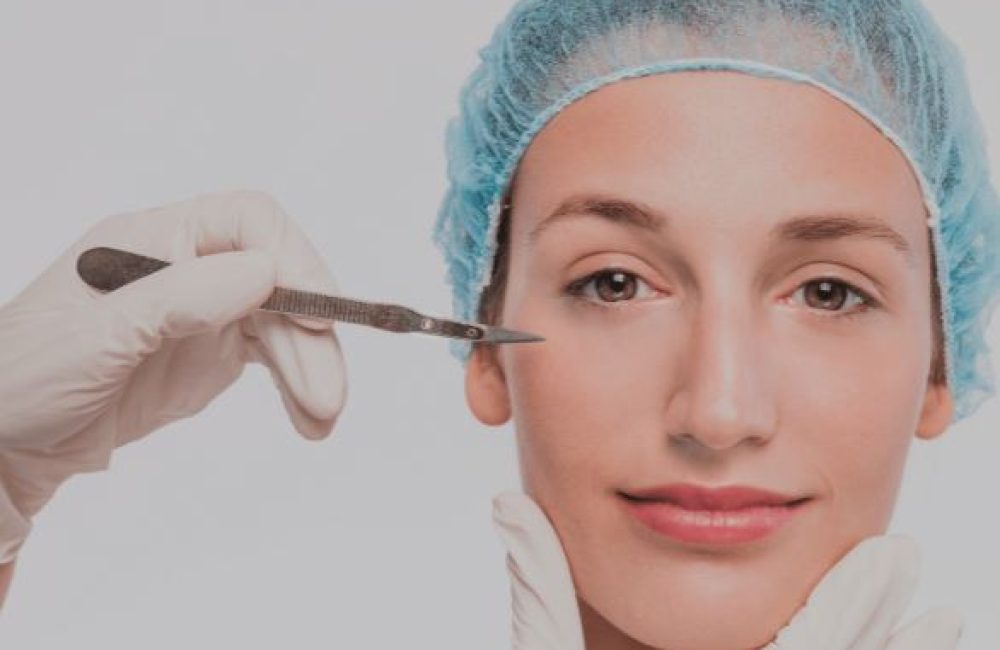
Reconstructive surgery is a branch of plastic surgery focused on restoring both form and function to parts of the body affected by trauma, congenital conditions, infections, tumors, or disease. Unlike cosmetic surgery, which primarily enhances appearance, reconstructive surgery addresses medical needs, such as improving mobility, breathing, speech, or the ability to perform daily activities. It plays a crucial role in helping patients regain quality of life, confidence, and independence after injury or illness.
The human body is made up of complex systems of skin, muscles, tendons, bones, blood vessels, and nerves that work together to support movement and protect vital organs. When one or more of these structures is damaged—whether by accident, surgery, or disease—the natural harmony of the body is disrupted.
Reconstructive surgery relies on detailed anatomical knowledge to repair or replace damaged structures. Common techniques include:
Skin grafts – transferring skin from one area of the body to cover a wound or defect.
Flap surgery – moving skin, fat, muscle, and/or bone with its blood supply to reconstruct larger or deeper defects.
Microsurgery – reconnecting tiny blood vessels and nerves under a microscope.
Bone and tendon transfers – restoring stability and movement.
These methods aim not only to repair physical appearance but also to restore essential body functions.
Reconstructive surgery is indicated in a wide variety of conditions, including:
Trauma or accidents – road traffic injuries, burns, or industrial accidents causing loss of tissue.
Cancer treatment – removal of tumors, particularly in the breast, head, or neck, may require reconstruction.
Congenital anomalies – such as cleft lip and palate, craniofacial deformities, or limb abnormalities.
Infections – severe infections like necrotizing fasciitis can leave large defects.
Chronic wounds – diabetic ulcers, pressure sores, or vascular ulcers.
Degenerative diseases – conditions affecting bones, joints, or nerves.
Patients who may benefit from reconstructive surgery typically present with:
Visible tissue loss, scarring, or deformity.
Functional impairment (e.g., difficulty speaking, walking, or using hands).
Chronic, non-healing wounds.
Emotional or psychological distress due to appearance or disability.
Post-surgical defects following cancer or major surgery.
Diagnosis and treatment planning involve a thorough multidisciplinary evaluation:
Medical history and physical examination – assessing the cause, extent of tissue loss, and overall health.
Imaging tests – X-rays, CT scans, or MRI to evaluate bone, joint, or deep tissue involvement.
Blood tests – to check infection, healing capacity, and underlying health conditions such as diabetes.
Specialist consultations – oncologists, orthopedic surgeons, or neurologists may be involved depending on the case.
Functional assessments – to determine movement limitations, speech impairment, or daily living restrictions.
Some cases may be managed initially without surgery:
Wound care and dressings to promote healing.
Physical and occupational therapy to maximize function.
Prosthetics or orthotics to restore movement or appearance.
Counseling and support for psychological well-being.
When non-surgical care is insufficient, reconstructive surgery offers tailored procedures, such as:
Skin grafting for burns or superficial wounds.
Flap reconstruction for larger, deeper, or complex defects.
Breast reconstruction after mastectomy using implants or autologous tissue.
Craniofacial surgery for congenital or trauma-related deformities.
Microsurgical reconstruction for delicate areas requiring blood vessel or nerve repair.
Hand surgery to restore grip, mobility, and dexterity.
The exact steps vary depending on the type of reconstructive surgery, but common stages include:
Preoperative planning – Imaging, blood tests, and consultations with specialists.
Anesthesia – Local, regional, or general depending on complexity.
Tissue repair or transfer – Techniques may include grafting, flap surgery, bone/tendon transfer, or microsurgical reconstruction.
Closure and dressing – Ensuring proper wound healing and infection prevention.
Monitoring – Immediate postoperative checks for blood flow, nerve function, and wound viability.
Recovery after reconstructive surgery is as important as the procedure itself. It often involves:
Wound care and dressing changes to prevent infection.
Pain management with medication.
Physical therapy to restore movement, strength, and function.
Speech or occupational therapy in cases of facial or hand reconstruction.
Psychological support to help patients adjust to physical changes.
Regular follow-up visits to monitor healing and detect complications early.
Like all surgeries, reconstructive surgery carries risks. These include:
Bleeding or hematoma formation.
Infection at the surgical site.
Poor wound healing or graft/flap failure.
Scarring or unsatisfactory cosmetic results.
Nerve or blood vessel injury.
Functional limitations if surgery does not fully restore mobility or strength.
Anesthetic risks, especially in patients with underlying health conditions.
The prognosis after reconstructive surgery is generally positive, especially with early intervention and skilled surgical care. Success depends on:
The cause and severity of tissue loss.
The patient’s age, general health, and healing ability.
Control of underlying conditions such as diabetes or vascular disease.
Adherence to rehabilitation and follow-up care.
Many patients regain near-normal function and appearance, allowing them to resume daily activities and improve their quality of life.
Patients should consult a healthcare professional if they experience:
Non-healing wounds or visible tissue loss.
Functional impairment (e.g., difficulty using hands, speaking, or walking).
Significant scarring or deformity after trauma or surgery.
Signs of infection such as fever, redness, or pus in a wound.
Emotional distress due to appearance changes or loss of function.
Reconstructive surgery is more than just a medical procedure—it is a pathway to restoring independence, dignity, and well-being. Whether addressing birth defects, trauma, cancer-related changes, or chronic wounds, reconstructive techniques provide hope and healing for patients facing physical and emotional challenges. Early evaluation, a personalized treatment plan, and comprehensive rehabilitation are essential for the best outcomes. Anyone struggling with tissue loss, deformity, or functional limitations should seek medical advice to explore reconstructive options tailored to their needs.

Aenean porta orci nam commodo felis hac ridiculus fusce fames maximus erat sed dictumst blandit arcu suspendisse sollicitudin luctus in nec