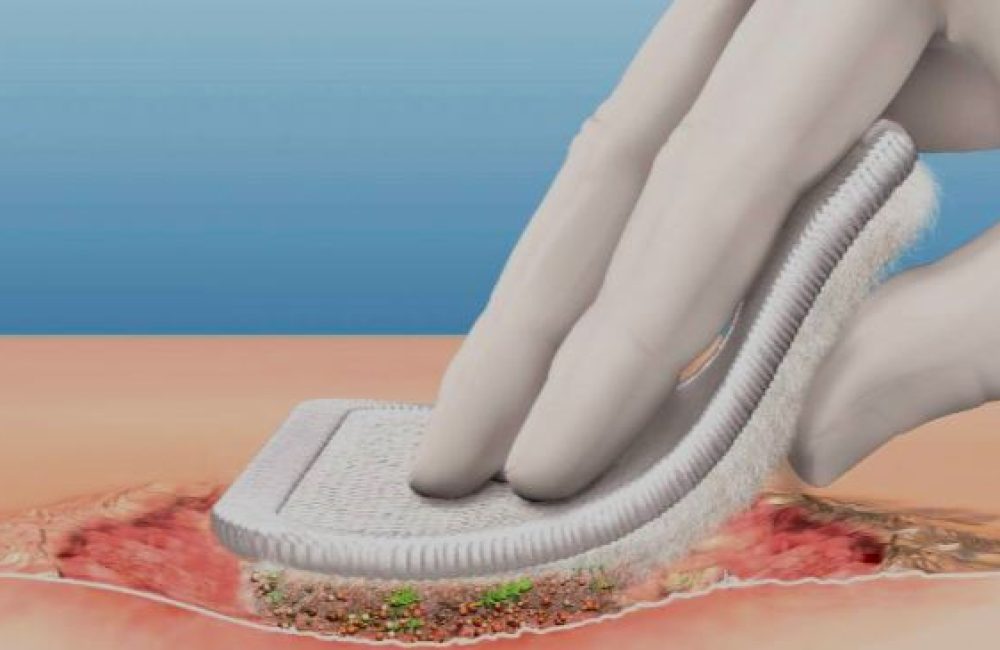
Debridement is a medical procedure used to remove dead, damaged, or infected tissue from a wound, allowing healthy tissue to heal more effectively. It is a crucial part of wound care and management, particularly in cases of chronic wounds, ulcers, severe burns, or traumatic injuries. By eliminating non-viable tissue, debridement reduces the risk of infection, promotes faster healing, and improves outcomes for patients.
The skin is the body’s largest organ and serves as a protective barrier against infections, injuries, and fluid loss. When the skin is damaged by trauma, burns, ulcers, or surgical incisions, the underlying tissues (muscle, fat, bone) can be exposed. In such wounds, necrotic (dead) tissue often accumulates due to poor blood supply, infection, or delayed healing.
Necrotic tissue impedes healing by:
Preventing new tissue growth.
Providing a breeding ground for bacteria.
Increasing the risk of wound infection and sepsis.
Debridement ensures that the wound bed is clean and viable, creating an optimal environment for recovery.
Debridement is usually required when wounds fail to heal naturally due to certain underlying conditions. Common causes include:
Diabetic foot ulcers – caused by neuropathy and poor circulation.
Pressure ulcers (bedsores) – resulting from prolonged pressure on the skin.
Venous or arterial ulcers – linked to poor blood flow in the legs.
Severe burns or traumatic injuries – where dead tissue is common.
Post-surgical wounds – if healing is delayed or infection sets in.
Infections – bacterial or fungal infections leading to necrosis.
A wound requiring debridement often presents with:
Black, brown, or yellow dead tissue (eschar or slough).
Foul odor or discharge from the wound.
Redness, swelling, or tenderness around the site.
Delayed or stalled wound healing.
Pain (although patients with neuropathy may feel little to no discomfort).
Signs of infection, such as pus, warmth, or fever.
Diagnosis begins with a clinical evaluation by a healthcare provider. Key diagnostic steps include:
Medical history and physical examination – assessing underlying conditions such as diabetes, vascular disease, or immobility.
Wound assessment – evaluating wound size, depth, tissue type, and presence of infection.
Microbiological cultures – taken from the wound to identify infection-causing organisms.
Imaging tests – X-rays, MRI, or CT scans if bone involvement or deep tissue infection (osteomyelitis) is suspected.
Blood tests – may be performed to check for systemic infection or poor circulation.
Treatment depends on the type of wound, the extent of tissue damage, and the patient’s overall health. The main approaches are:
Autolytic debridement – Uses the body’s natural enzymes and moisture-retentive dressings (hydrogels, hydrocolloids) to soften and dissolve dead tissue.
Enzymatic debridement – Topical application of enzyme-containing ointments to break down necrotic tissue.
Biological debridement (maggot therapy) – Sterile larvae are applied to the wound to selectively eat necrotic tissue while leaving healthy tissue intact.
Sharp debridement – A scalpel, scissors, or curette is used to quickly remove dead tissue.
Mechanical debridement – Involves physical removal using wet-to-dry dressings, irrigation, or hydrotherapy.
Surgical debridement – More extensive removal under anesthesia for deep or severely infected wounds.
When surgical or sharp debridement is required, the steps typically include:
Preparation: Patient assessment, cleaning of the wound, and administration of local or general anesthesia depending on the procedure.
Tissue removal: A surgeon or wound care specialist uses sterile instruments to carefully excise dead or infected tissue.
Irrigation: The wound is thoroughly cleansed with saline or antiseptic solution to reduce infection risk.
Hemostasis: Bleeding is controlled during the procedure.
Dressing: The wound is covered with specialized dressings to promote healing and prevent infection.
Follow-up plan: Instructions are provided for wound care, dressing changes, and further debridement if needed.
Recovery after debridement involves consistent wound care and monitoring. Key aspects include:
Wound dressings – Regular changes using moisture-retentive or antimicrobial dressings.
Infection prevention – Antibiotics may be prescribed if infection is present.
Pain management – Analgesics or local anesthetics as needed.
Blood sugar control – Especially important for diabetic patients.
Physical therapy – To restore mobility and prevent pressure ulcers in bedridden patients.
Nutritional support – Adequate protein, vitamins, and minerals to support healing.
Regular follow-up visits – Monitoring wound progress and adjusting care as necessary.
Although generally safe and beneficial, debridement carries some risks:
Bleeding during or after the procedure.
Pain and discomfort.
Damage to healthy tissue (rare with experienced clinicians).
Delayed wound healing in patients with poor circulation.
Infection if proper wound care is not followed.
Scarring after large tissue removal.
With timely and appropriate debridement, the majority of wounds heal significantly faster and with fewer complications. Prognosis depends on:
The underlying cause of the wound (e.g., diabetes, vascular disease).
The patient’s overall health and immune status.
Adherence to wound care instructions and follow-up visits.
Successful management of contributing factors such as poor circulation, infection, or pressure.
Early intervention generally leads to better outcomes and reduces the risk of severe complications, including amputation.
Patients should seek medical attention if they notice:
Wounds that do not heal after 1–2 weeks.
Black, brown, or yellow tissue forming in the wound.
Signs of infection such as redness, swelling, pus, or fever.
Increasing pain, odor, or discharge.
Sudden worsening of an existing ulcer or injury.
Debridement is a vital component of wound management that helps clear away non-viable tissue and fosters a healthy healing environment. With several techniques available—ranging from conservative dressings to surgical removal—treatment can be tailored to each patient’s needs. Early recognition, timely intervention, and consistent follow-up are essential to achieving the best outcomes. Anyone with a slow-healing or infected wound should consult a healthcare professional to discuss whether debridement is necessary.

Aenean porta orci nam commodo felis hac ridiculus fusce fames maximus erat sed dictumst blandit arcu suspendisse sollicitudin luctus in nec